
Sustainable Governance Essential for Bangladesh’s LDC Graduation: Wahiduddin Mahmud
Published : 13:13, 22 November 2026
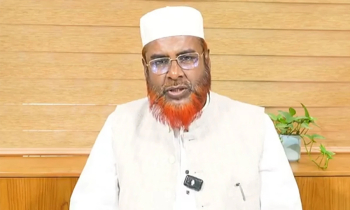
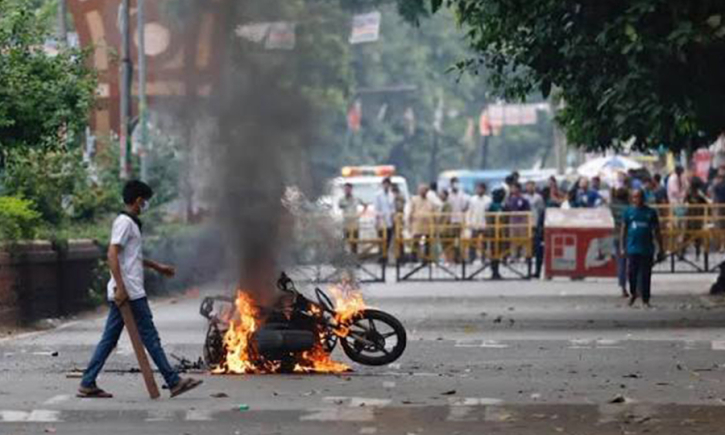
Bangladesh’s development progress is repeatedly being disrupted by political changes and frequent shifts in governance, noted economist Professor Wahiduddin Mahmud has said. He observed that even 55 years after independence, the country has yet to establish a sustainable and consistent system of governance. Frequent political upheavals and changes in the governing system are creating major obstacles to the country’s development.
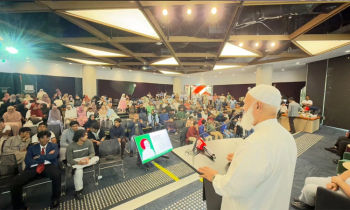
He made the remarks as the chief guest at a student debate competition organised by Debate for Democracy on Saturday. The shadow parliament debate, titled “Challenges and Prospects of Bangladesh’s Graduation from the LDC Category,” featured teams from Prime Asia University and Independent University, Bangladesh. Prime Asia University emerged as the winner.
Professor Wahiduddin Mahmud said Bangladesh could achieve significantly greater progress if it could maintain an effective and functional democratic system of governance. However, frequent political upheavals and changes in the governing system disrupt the normal pace of economic activity.
He described Bangladesh’s graduation from the Least Developed Country (LDC) category as a national issue that requires collective efforts. Addressing the challenges will require turning existing obstacles into opportunities and strengthening the country’s competitiveness. He stressed the need to reduce corruption and bureaucratic complexities, ensure a business-friendly environment and establish sound economic governance.
Highlighting the economic consequences of political instability, he said frequent political upheavals create uncertainty among entrepreneurs. This can hamper investment and business activities, ultimately slowing the country’s desired economic progress. A sustainable governance system would enable Bangladesh to make better use of the opportunities arising from LDC graduation, he added.
Responding to a question about recent instability in the readymade garment sector, the former adviser to the interim government said the challenges facing the sector should be treated as a national issue. Both factory owners and workers are dealing with various problems, he noted. These issues can be addressed through dialogue, transparency and mutual understanding.
He further said that ensuring transparency in all matters would help workers understand that keeping the industry sustainable is also in their own interests. Any crisis in the garment industry would ultimately affect workers as well.
Emphasising the importance of constructive debate in national life, Professor Mahmud said divisions, conflicts and differences of opinion among various groups in society are increasing. To keep these differences within acceptable limits, people must not only express their own views but also listen attentively to opposing arguments.
Society needs to become more rational and accord due respect to everyone’s opinions, including those that differ from its own, he added.
The programme was moderated by Hasan Ahmed Chowdhury Kiran, chairman of Debate for Democracy.
Subject-