
Study Finds Toxic Microplastics in 26 of 34 Toothpaste Brands Sold in Bangladesh
Published : 18:13, 26 July 2026
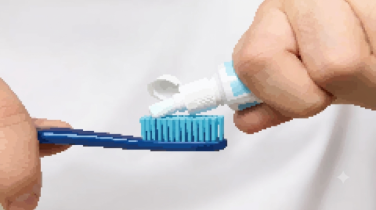
A year-long scientific study has found toxic microplastics in 26 out of 34 toothpaste brands sold in Bangladesh, raising fresh concerns over consumer health and product safety. The highest concentration of plastic particles was detected in Mediplus Fluoride Gel, with 320 microplastic particles per 100 grams of toothpaste.
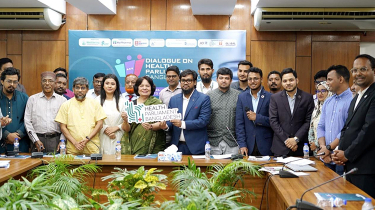
The findings were released on Sunday (July 26) by the Environment and Social Development Organization (ESDO) during a press conference held at its headquarters.
According to ESDO, the research combined a nationwide consumer survey involving 2,760 participants with laboratory analysis conducted at the Environmental Health and Ecotoxicology Laboratory of the Department of Environmental Sciences at Jahangirnagar University.
Researchers used stereo microscopy and Fourier Transform Infrared (FTIR) spectroscopy to identify and verify the presence of microplastics in the tested products.
The study revealed that 22 of the 25 toothpaste brands manufactured in Bangladesh contained microplastics. Among imported products, microplastics were detected in one of five Indian brands, one of two Thai brands, and both Vietnamese brands included in the study.
One of the study's most alarming findings involved products designed for children. Of the six children's toothpaste brands tested, four were found to contain toxic microplastics, raising concerns about potential health risks for young users.
Among all products tested, Mediplus Fluoride Gel contained the highest number of microplastic particles at 320 per 100 grams. Other brands included Closeup Red Hot (160), Closeup Menthol Fresh (160), Kodomo Ultra Shield Formula Strawberry (140), Signal Green Tea (120), Pepsodent Advanced Salt (100), Himalaya Complete Care (100), and Sensodyne Fresh Mint (80).
For children's toothpaste, researchers detected 140 particles in Kodomo Ultra Shield Formula, 60 in Meril Baby Strawberry, 40 in Meril Baby Orange, and 20 in Pepsodent Kids Orange.
The study also identified several products that showed no detectable microplastics. These included the locally produced Genfresh, Parachute Just for Baby (Mango), and Closeup Red Hot Zinc Fresh Technology, as well as the imported children's toothpaste Kodomo Orange.
Based on the findings, ESDO called for stricter regulatory oversight, routine product testing, and greater use of safer ingredients in toothpaste manufacturing to better protect consumers and reduce exposure to microplastics.