
Tension Persists as Trump’s Warnings Echo, Tehran Reopens Airspace
Published : 01:01, 16 January 2026
Tensions between the United States and Iran remain elevated as former U.S. President Donald Trump has reiterated strong warnings toward Tehran, while Iranian authorities have moved to reopen the country’s airspace after a period of heightened regional uncertainty.
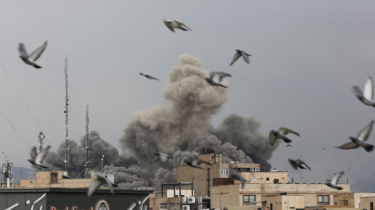
Iran announced the reopening of its airspace over Tehran, signaling a step toward normalizing civilian aviation operations that had been disrupted amid security concerns. The closure, which affected both domestic and international flights, was imposed following rising geopolitical risks and fears of potential military escalation in the region.
Aviation authorities stated that the decision to resume flights was taken after reassessing the security situation and implementing necessary precautionary measures.
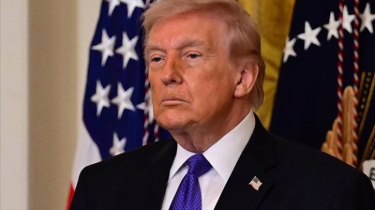
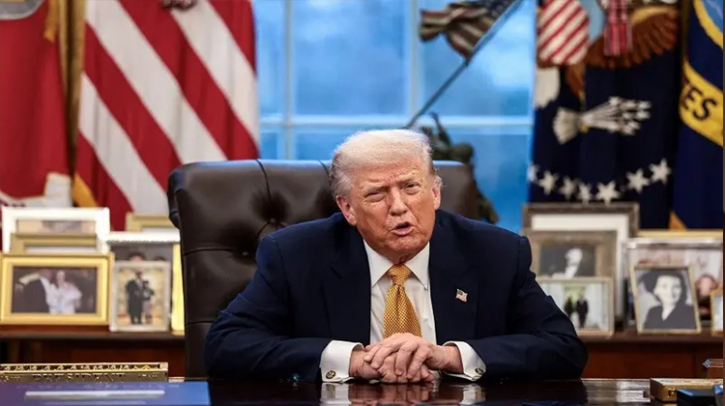
Despite the reopening, diplomatic tensions have not eased significantly. Trump, speaking in recent public remarks, warned that Iran would face serious consequences if it pursued actions perceived as hostile to U.S. interests or regional stability.
His statements echoed a broader hardline stance associated with his administration’s earlier “maximum pressure” policy, which relied on sanctions and military deterrence to curb Iran’s influence and nuclear ambitions.
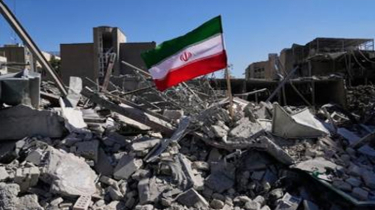
Iranian officials responded by emphasizing national sovereignty and rejecting what they described as external threats and coercive rhetoric.
Government representatives stressed that Iran’s defense posture remains unchanged and that any measures taken, including airspace restrictions, were purely precautionary and defensive in nature. They also underlined that the reopening of airspace should not be interpreted as a political concession but rather as a technical decision linked to aviation safety and operational readiness.
Regional analysts note that while the resumption of flights reduces immediate disruption to trade, travel, and humanitarian movements, it does little to address the underlying political friction.
The broader Middle East continues to face instability linked to unresolved disputes, proxy conflicts, and concerns over Iran’s nuclear program, all of which keep investors, airlines, and neighboring states on edge.
For now, the reopening of Iranian airspace offers limited reassurance to airlines and passengers, but the sharp rhetoric from Washington and Tehran suggests that tensions are likely to persist, with the risk of sudden escalation remaining a key concern for the region and the international community.
Sources: Reuters, Al Jazeera, Associated Press (AP), BBC News
BD/AN