
COP31 Ends Without Deal, Bangladesh Secures $105.5 Million in Grant Pledges
Published : 11:41, 24 November 2026
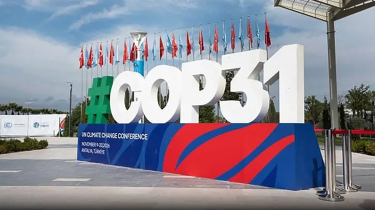
The 31st United Nations Climate Change Conference (COP31), held in Antalya, Turkey, has concluded without a final agreement. Despite a lack of consensus on fossil fuel use, adaptation financing and addressing climate-related losses and damages, Bangladesh has secured grant pledges worth approximately Tk 10.55 billion from two global funds.
According to the government, the Global Shield has pledged at least 50 million euros, equivalent to around Tk 6.82 billion, while the Climate Investment Funds (CIF) has committed $30 million, or approximately Tk 3.73 billion.
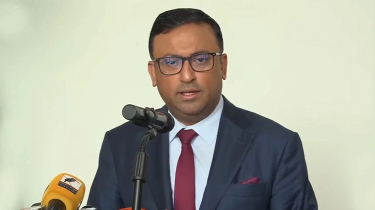
Dr Saimum Parvez, Special Assistant to the Prime Minister on Environment, Forests and Climate Change, said climate-vulnerable countries were disappointed as the conference ended without any commitments or decisions. However, he noted that Bangladesh had received grant pledges from two international funds despite the disappointing outcome.
He added that Bangladesh organised 40 side events during the conference, attended by climate activists and representatives from various countries. Bangladesh also established contact with the Global Mangrove Alliance and discussed potential funding opportunities with the organisation.
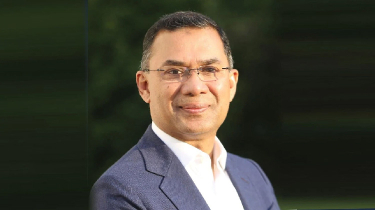
Prime Minister Tarique Rahman addressed the conference on November 12, calling for the transfer of knowledge and technology to tackle climate change, allocation of at least 50 percent of climate finance to adaptation, and grant-based assistance instead of loans.
Commenting on Bangladesh's achievements, Professor Ahmad Kamruzzaman Majumder, Dean of the Faculty of Science at Stamford University, said that although the main conference remained deadlocked over ending fossil fuel use and setting global adaptation financing targets, Bangladesh had made significant progress through bilateral and multilateral diplomacy.
He identified the signing of a memorandum of understanding with Singapore on carbon trading under Article 6 of the Paris Agreement, support for the Global Rooftop Solar Declaration and participation in mangrove conservation initiatives as notable achievements for Bangladesh.
Meanwhile, although the European Union (EU) supported efforts to reduce fossil fuel use, no specific financial commitment was secured to help climate-vulnerable countries transition their energy systems.
Sohanur Rahman, Executive Coordinator of the non-governmental organisation YouthNet Global, said developed countries' reluctance to finance climate adaptation and a just energy transition was contradictory to their support for reducing fossil fuel consumption. He described this year's conference as one of the most disappointing.
He stressed the need for developed countries to be held accountable for the costs of ensuring safe drinking water in Bangladesh's saline-affected coastal areas and protecting workers' incomes and providing training during the transition of industries to clean energy.
According to Sohanur Rahman, industrialised nations bear historical responsibility for climate change. At the same time, countries such as Brazil, Russia, India and China, as well as oil-exporting nations including Saudi Arabia and Kuwait, should contribute to addressing climate-related losses and damages based on their carbon emissions and financial capacity.
At the 2024 COP29 summit in Baku, Azerbaijan, countries agreed on a target to mobilise at least $300 billion annually for developing nations by 2035. The following year, COP30 in Belem, Brazil, called for intensified efforts to at least triple adaptation financing.
At COP31, a proposal to provide $120 billion annually for adaptation was initially included in a draft decision but was later dropped, according to a Reuters report published on November 20.
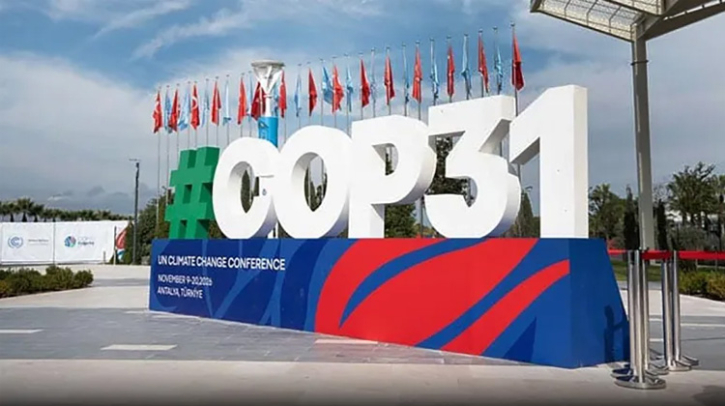
The conference began on November 9 and concluded on November 22, with representatives from nearly 200 countries participating. It was the first UN climate conference since the 2009 summit in Copenhagen, Denmark, to end without an agreed final document.