
Plastic Detected 2,000 Meters Deep in Bay of Bengal as Bangladesh Flags Deep-Sea Ecological Risks
Published : 16:45, 6 January 2026
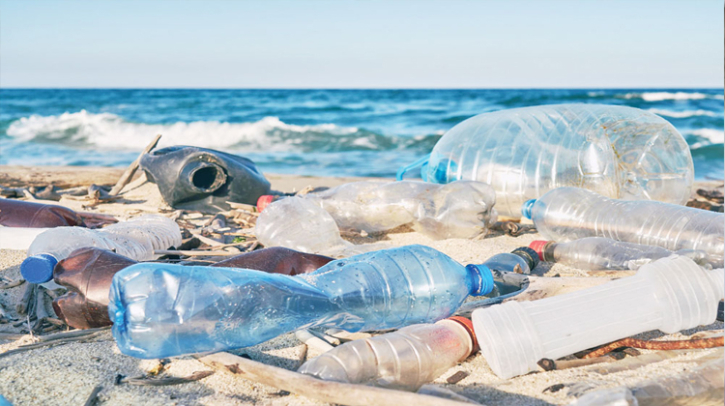
Plastic waste has been detected at around 2,000 meters depth in the Bay of Bengal, raising fresh concerns about how far marine pollution has penetrated below the surface and what it could mean for deep-sea ecosystems.
The disclosure came during a high-level discussion in Dhaka on 6 January 2026, where a research-related committee presented findings from a recent deep-sea survey.
Researchers described the discovery of plastic at such depth as a serious warning sign, indicating that marine debris is not limited to coastlines or surface waters but is reaching the deep ocean environment.
Alongside the plastic finding, the survey results highlighted broader ecological stress signals in Bangladesh’s marine waters.
Researchers reported the identification of 65 newly recorded aquatic species during the survey period, while also noting signs of imbalance in the ecosystem—particularly a sharp rise in jellyfish in deep waters, which they linked to ecological disruption and overfishing.
Comparisons with earlier research were also discussed, suggesting that large fish populations in deeper waters are declining, while fish availability in shallower waters has dropped to an alarming level.
The discussion pointed to industrial fishing pressure as a key driver, including the operation of hundreds of large trawlers in deep-sea fishing, with a portion reportedly using sonar-based targeted fishing, described as an aggressive method that can intensify extraction and shift impacts across fishing communities.
The survey findings also flagged potential opportunities and conservation needs. Researchers noted signs of tuna abundance and potential in deep-sea fishing, and reported the identification of an important fishing nursery area beneath the Sundarbans region, which authorities said should be protected.
Officials at the meeting emphasized the need for stronger deep-sea research capacity, better data on marine resources, and more coordinated policy support.
The discussion also referenced steps to strengthen survey capability through an advanced hydrographic and oceanographic survey vessel expected to support seabed mapping and broader marine data collection, alongside interest in expanding joint research coordination with regional partners.
বিডি/এএন