
Trump Threatens Canada With 100% Tariffs if It ‘Makes a Deal With China.’
Published : 02:20, 26 January 2026
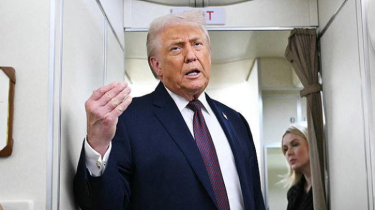
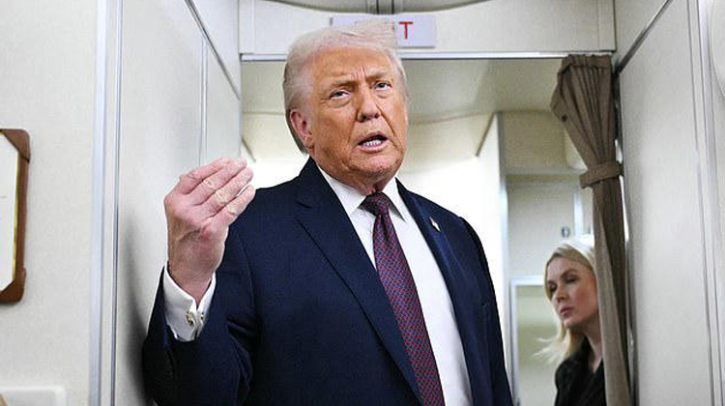
Tensions between the United States and Canada escalated sharply this weekend after U.S. President Donald Trump issued a highly provocative warning that he would impose 100% tariffs on all Canadian imports if Canada finalizes a trade agreement with China.
In a statement posted on his social media platform, Trump accused Canadian Prime Minister Mark Carney of risking Canada’s economic future by moving ahead with closer trade ties with China.
Trump claimed that if Canada enters into such a deal, it could become a “drop-off port” for Chinese goods heading into the U.S., potentially undermining American trade policy and threatening U.S. national interests.
Trump’s message included blunt language suggesting that China would “eat Canada alive,” arguing that a deal with Beijing could destroy Canadian businesses, social structures, and way of life. He warned that under his policy, all Canadian goods and products entering the United States would be slapped with a 100% tariff immediately if such a deal is completed.
The threat represents a stark shift in relations between the two long-standing allies. Earlier this month, Canada and China announced an agreement aimed at reducing tariffs on certain Canadian exports, including agricultural products, and allowing more Chinese electric vehicles into the Canadian market.
Ottawa has characterised this as a strategic partnership to diversify trade, not a comprehensive free-trade pact.
Trump’s warning comes amid a broader deterioration in U.S.–Canada relations over trade and geopolitical issues. The president recently rescinded Canada’s invitation to his proposed “Board of Peace”, a diplomatic initiative, after Carney delivered remarks at the World Economic Forum in Davos that were perceived as critical of U.S. foreign policy and economic coercion. Carney pushed back on Trump’s rhetoric, reaffirming Canada’s independence and commitment to its own economic strategy.
Canadian officials have rejected the notion that they are pursuing a full free-trade agreement with China, emphasising that discussions with Beijing focused on specific tariff reductions and resolving trade irritants.
Ottawa also underlined that the Canada–U.S.–Mexico Agreement (CUSMA) remains the backbone of North America’s economic integration and continues to govern cross-border commerce.
Economists and political commentators have warned that the threat of 100% tariffs — effectively doubling the cost of Canadian exports into the U.S. — could inflict severe damage on Canada’s economy, given that the United States remains its largest trading partner by far. Industries such as automotive manufacturing, metal production, energy, and agriculture could face major disruptions if such tariffs were enacted.
The United States imports hundreds of billions of dollars in goods from Canada annually, including energy products, machinery, and raw materials critical to American supply chains. A sudden doubling of tariffs on these imports could have ripple effects across industries on both sides of the border.
As diplomatic rhetoric intensifies, Ottawa insists it will defend Canadian interests and sovereignty, even as it navigates the complexities of global trade competition and geopolitical pressures from both China and the United States.
The coming days are likely to see heightened diplomatic engagement as leaders seek to avert a full-blown trade confrontation between two of the world’s most integrated economies.
Sources: Reuters, ABC News, Al Jazeera, South China Morning Post, The Economic Times
BD/AN