
11 Million Children to Receive Mid-Day Meals from 2027: Dr Zubaida Rahman
Published : 13:13, 28 November 2026
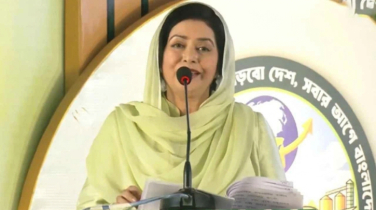
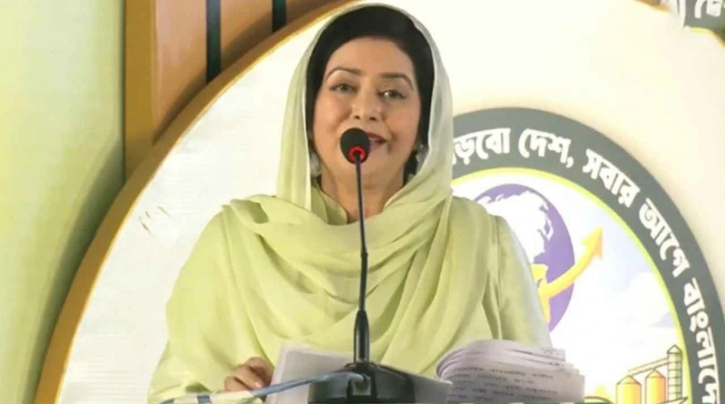
Dr Zubaida Rahman, Vice President of the Ziaur Rahman Foundation, has said the government plans to expand the mid-day meal programme across the country from 2027, with around 11 million children in government primary schools across 500 upazilas expected to receive lunch every day.
She said the school-feeding programme would help address nutritional deficiencies among children, increase school attendance and encourage them to remain in formal education.
Dr Zubaida made the remarks on Friday at an award distribution ceremony for a cooking competition organised as part of National Livestock Week. The event was held at the former Trade Fair grounds in Agargaon, adjacent to Sher-e-Bangla Agricultural University in Dhaka.
The programme was chaired by Fisheries and Livestock Minister Mohammad Aminur Rashid. Fisheries and Livestock State Minister Sultan Salahuddin Tuku, Ministry Secretary Md Delwar Hossain, Department of Livestock Services Director General (Acting) Agriculturist Md Shahjahan Khan and other officials were present.
A total of 300 recipes were submitted to the cooking competition, from which five participants were selected for awards for their outstanding recipes.
Tahera Islam Tinni from Madaripur secured first place, Abu Abdullah MD Siam came second, and Sajia Ferdous from Rangpur finished third. The winners received crests, certificates and cheques. Dr Zubaida later joined the participants for a photo session.
Speaking about the mid-day meal programme, Dr Zubaida said around 3.1 million students in 151 of the country's 500 upazilas currently receive nutritious meals every day.
She said the programme was playing an effective role in improving school attendance among children aged four to 10 and helping them remain engaged in formal education. Plans are in place to expand the initiative to all government primary schools in all 500 upazilas from 2027, bringing daily meals to approximately 11 million children.
She stressed the importance of involving mothers in monitoring the programme to ensure the nutritional value and quality of the food.
Dr Zubaida also proposed organising cooking competitions at district and upazila levels to make school lunches more appealing, nutritious and accessible.
She said such local competitions could generate new ideas for preparing healthy and nutritious meals for children. They could also encourage greater use of locally available vegetables, protein sources and dairy products.
She further emphasised the need to follow hygienic cooking practices in primary schools and strengthen mothers' involvement and oversight in food preparation. Such initiatives, she said, could contribute to improving children's nutritional status.
Highlighting the creative and cultural dimensions of cooking, Dr Zubaida said cooking was not merely a process of preparing food but also an art, a language, a science and a means of communication. It brings together necessity, passion, creativity and cultural heritage, allowing people to express their history, personality and affection through food.
Calling for continued innovation and creativity in cooking, she encouraged participants to apply their own perspectives and contribute to promoting Bangladeshi cuisine internationally.
Dr Zubaida also highlighted various aspects of the United Nations Sustainable Development Goals in addressing global hunger and malnutrition. She identified ensuring food for all, strengthening food security for disadvantaged communities, reducing child stunting and malnutrition, supporting small-scale farmers and building sustainable food systems as important priorities.
Referring to the nutritional situation of children in Bangladesh, she said, citing United Nations statistics, that 25.1 per cent of children under five in the country suffer from stunting.
She also underscored the importance of increasing agricultural production to address nutritional deficiencies. Her recommendations included cultivating improved crop varieties, producing vitamin- and nutrient-rich foods, expanding vitamin A-enriched golden rice cultivation and promoting disease-resistant potato varieties.
Dr Zubaida also highlighted the expansion of pest-resistant eggplant cultivation as a way to reduce pesticide use. She said more than 30,000 farmers are currently growing this variety.
She stressed the need to raise grassroots awareness to ensure diverse and safe food for mothers and children. She also emphasised the importance of promoting healthy cooking practices and safe food consumption with technical assistance from the Food and Agriculture Organization of the United Nations (FAO).
Dr Zubaida called for coordinated efforts from all stakeholders to build a hunger-free world.