
Japan Shuts Reactor at World’s Largest Nuclear Plant Just a Day After Restart
Published : 21:44, 22 January 2026
Japan has abruptly shut down a nuclear reactor at the world’s largest nuclear power plant just one day after it was restarted, the plant’s operator said on Thursday.
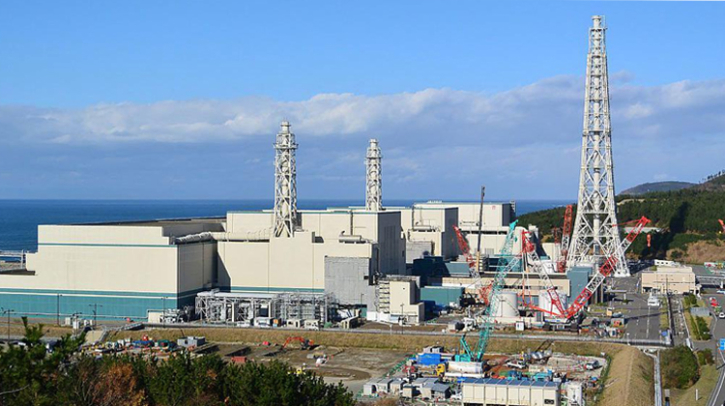
The reactor in question, Unit No. 6 at the Kashiwazaki-Kariwa nuclear power plant in Niigata Prefecture, was brought back online on Wednesday night for the first time since the Fukushima disaster in 2011.
The restart was considered a major milestone in Japan’s effort to revive nuclear energy 15 years after all reactors were taken offline following the Fukushima meltdown. However, the resumption was short-lived.
Authorities said the restart process was halted hours later due to a malfunction involving control rod equipment, vital components that regulate the nuclear reaction inside the reactor.
An alarm sounded during the procedure, prompting the operator to suspend operations immediately and return the reactor to a safe shutdown state. Officials stressed that there was no radiation leak or safety threat to the public.
The operator, Tokyo Electric Power Company Holdings (TEPCO), the same company that runs the damaged Fukushima Daiichi plant, said it will conduct a thorough inspection of the equipment to determine the cause of the glitch before considering another restart. TEPCO did not provide a timeline for when the reactor could be operational again.
Kashiwazaki-Kariwa, located about 220 kilometres northwest of Tokyo, is recognised as the world’s largest nuclear power station by generating capacity.
The No. 6 reactor alone has the potential to produce roughly 1.35 million kilowatts of electricity, which officials say could supply power to over one million households in the greater Tokyo region.
The incident highlights the technical and public confidence challenges Japan faces as it seeks to balance energy security, climate goals, and safety concerns in its post-Fukushima energy policy.
While the restart was heralded by some as a symbolic return to nuclear power, lingering opposition from local communities and critics demanding stricter oversight reflects broader unease over nuclear operations, even with modern safety standards.
Local protests and petitions had previously underscored fears about earthquake risks in the region and the legacy of past disasters.
TEPCO’s stock price fell in early trading after the shutdown was announced, reflecting investor caution over renewed setbacks in Japan’s nuclear revival plan.
SOURCES: Reuters, Associated Press, Al Jazeera, The Guardian
BD/AN