
Iraq’s Shia Alliance Nominates Former PM Nouri al-Maliki as Candidate for Prime Minister
Published : 02:04, 26 January 2026
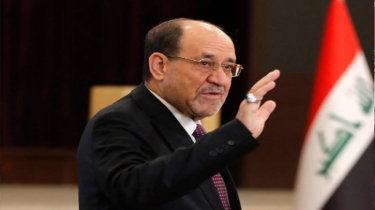
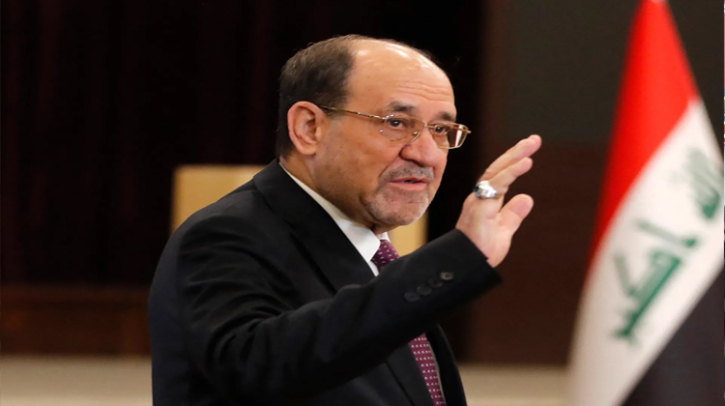
Iraq’s key Shia political alliance has officially nominated former Prime Minister Nouri al-Maliki as its candidate to lead the next government, a major development in the country’s ongoing political transition.
The nomination was announced on 24 January 2026 by the Coordination Framework, a coalition of Shiite parties that together hold a parliamentary majority following the November 2025 legislative elections.
The bloc stated that its decision was made “by majority vote” after extensive discussions among its leadership, citing al-Maliki’s long political and administrative experience and his previous role in managing the state as reasons for his selection.
Under Iraq’s constitutional process, the parliament must now elect a president, who will then formally appoint a prime minister tasked with forming a government.
The Coordination Framework urged lawmakers to convene soon to elect the president, a necessary step toward completing the government-formation process and ending the political impasse that has followed recent elections.
Nouri al-Maliki, 75, is one of the most prominent figures in Iraqi politics, having served two terms as prime minister from 2006 to 2014, making him the only leader to do so since the U.S.-led invasion that toppled Saddam Hussein in 2003.
His tenure was marked by significant challenges, including widespread sectarian violence, political polarization, and later criticism for concentrating power and failing to prevent the rise of the Islamic State group. Despite this controversial legacy, he remains a central political leader and the head of the State of Law Coalition.
The nomination comes after Caretaker Prime Minister Mohammed Shia al-Sudani withdrew his bid for a second term earlier this month, opening the door for al-Maliki to secure the backing of the influential Shiite bloc.
Al-Sudani’s party had won the largest individual share of seats in the November election, but it was unable to form a stable coalition without the support of the Coordination Framework.
Reactions to al-Maliki’s nomination are mixed. While the Shiite alliance and some allied groups support his return as a stabilising figure, other political factions — particularly within Sunni parties — have expressed concern.
A Sunni coalition urged the Coordination Framework to reconsider, warning against returning to leaders whose past performance, in their view, failed to deliver stability or public trust. Some Sunni groups, however, have publicly disagreed with that stance, illustrating divisions within Iraq’s political landscape over al-Maliki’s candidacy.
The new government, once formed, will face pressing challenges: navigating complex relations with both the United States and Iran, addressing the influence of powerful non-state armed groups, and responding to ongoing security and economic issues.
As Iraq moves forward in the constitutional process, all eyes are now on parliament’s next steps toward electing a president and formalising the nomination of Nouri al-Maliki as prime minister.
Sources: Reuters, Arab News, AFP, IraqiNews.com, AP, Al Jazeera, New Arab
BD/AN