
Iran’s Supreme Leader Ayatollah Ali Khamenei: Central Figure in Regional Conflict and Why He Is Being Targeted
Published : 01:32, 1 March 2026
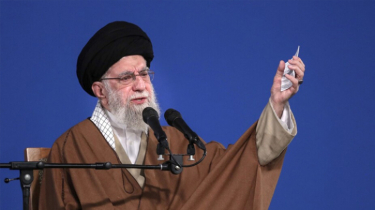
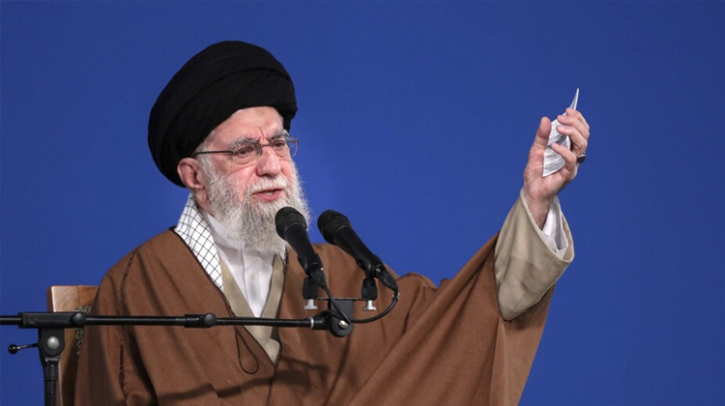
The Supreme Leader of Iran, Ayatollah Ali Khamenei, has become a focal figure in the ongoing military confrontations involving Iran, the United States and Israel, with recent air strikes reportedly aimed at locations linked to him.
Ayatollah Khamenei, 86, has served as Iran’s Supreme Leader since 1989, making him the longest-serving head of state in the Middle East and the most powerful figure in the Iranian political system. As Supreme Leader, he holds ultimate authority over the military, judiciary and state media, as well as key decisions on foreign policy, including Iran’s nuclear program and support for allied groups across the region.
Under his leadership, Iran has expanded the role of the elite Islamic Revolutionary Guard Corps (IRGC) and pursued what Western governments describe as destabilising activities in countries such as Syria, Iraq and Yemen. Khamenei’s rhetoric has included strong opposition to Israel and staunch criticism of U.S. influence in the region — positions that have hardened geopolitical rivalries.
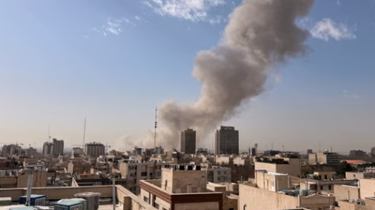
The latest strikes reportedly targeted areas near his offices in Tehran, according to Israeli and international media reports, although authorities say he was not in the capital at the time and was moved to a secure location for safety.
Khamenei’s positioning at the centre of Iran’s decision-making apparatus — particularly on sensitive issues like nuclear development, missile programs and support for proxy forces — has made him a symbolic and strategic target for adversaries in Washington and Tel Aviv. Officials from the U.S. and Israel have described operations that could degrade Iran’s leadership and military capabilities, reflecting their view that Iran’s regional policies pose an ongoing threat.
The Supreme Leader’s influence also shapes domestic politics, where protests and public discontent have periodically challenged his authority, yet his control over the state remains deeply entrenched.
BD/AN