
Regional War Intensifies, Israel Strikes Lebanon, Gulf Attacks Spread, Energy Fears Grow
Published : 03:45, 12 March 2026
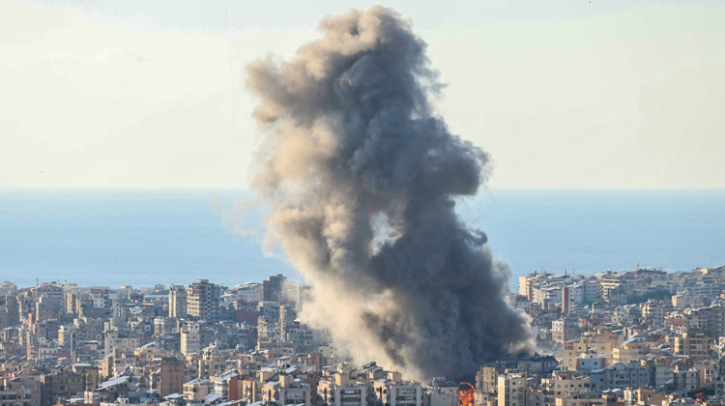
In a dramatic expansion of the Middle East conflict, Israeli military forces have intensified air and artillery strikes across Lebanon, targeting Hezbollah positions and urban areas.
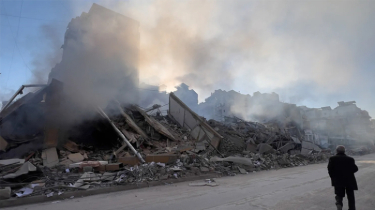
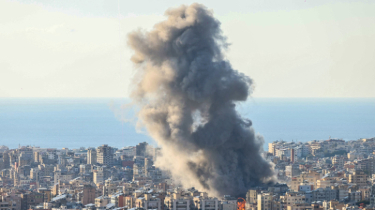
Recent attacks in central Beirut have damaged residential buildings and wounded civilians, while bombardments continue in southern Lebanon and the Bekaa Valley, deepening humanitarian distress and prompting mass evacuations.
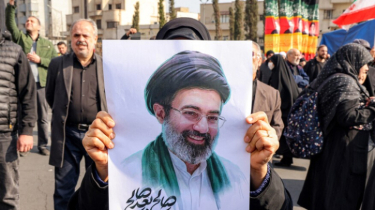
The surge in fighting comes as part of a broader war that began in late February 2026 following the assassination of Iran’s supreme leader and has since drawn in Tehran, Washington, Jerusalem, and regional actors. Lebanese health officials report hundreds of civilians killed and widespread displacement amid ongoing Israeli operations.
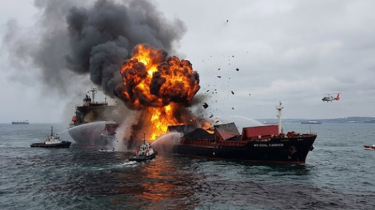
At the same time, the strategic Strait of Hormuz through which nearly one‑fifth of the world’s crude oil flows has become a major flashpoint. Multiple commercial vessels and cargo ships were struck near the strait by projectiles in the past 24 hours, including at least one Thai‑flagged vessel that caught fire, forcing crew evacuations. The attacks have disrupted maritime traffic and significantly raised fears of a global energy crisis as Iran declares vessels linked to the U.S., Israel or their allies “legitimate targets.”
The U.S. military has responded by destroying Iranian naval mine‑laying vessels and reinforcing defenses around the strait, warning that blocking oil transit would carry severe consequences for Tehran. Global oil markets have reacted sharply, with crude prices spiking amid concerns over supply disruptions.
Across the Gulf states, Iran has launched missile and drone strikes on targets in Qatar, Saudi Arabia, Kuwait, and the United Arab Emirates, prompting several nations to intercept incoming attacks and heightening fears of a wider regional war. Dubai’s international airport sustained damage and reported injuries following drone strikes, though flight operations have largely continued. Gulf Arab states, many U.S. allies, have stepped up their air defenses as tensions escalate.
The United Nations Security Council is expected to vote on a resolution later today after a proposal sponsored by the Gulf Cooperation Council called for Tehran to stop its attacks on neighboring countries.
Amid the mounting crisis, global political and economic repercussions are intensifying, with countries scrambling to secure energy supplies, protect citizens, and pursue urgent diplomacy. Civilian casualties continue to mount on multiple fronts, and regional stability remains increasingly fragile as the conflict enters its second week of rapid escalation.
BD/AN