
Nvidia Scandal Fuels Fresh US-China Chip Tensions
Published : 11:07, 14 November 2026
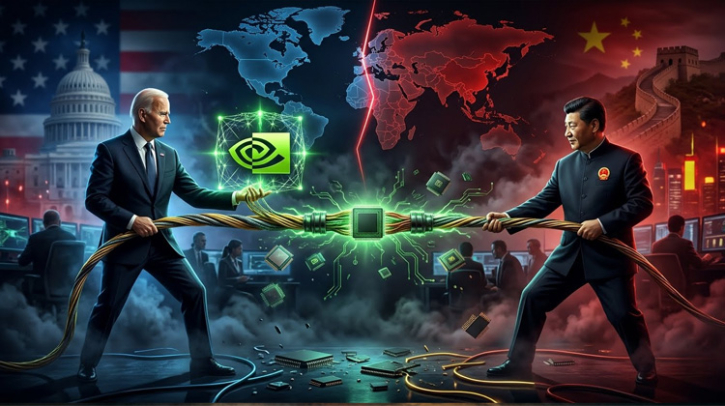
China has warned the United States against imposing fresh restrictions on semiconductor exports amid a controversy surrounding Nvidia, arguing that tighter controls could destabilise global supply chains and disrupt the technology industry. The warning comes as US lawmakers push for stricter limits on chip-related exports to China.
Chinese Foreign Ministry spokesperson Mao Ning outlined Beijing's position during a regular press briefing on Friday. She said China consistently opposes the misuse of export control measures, stressing that such actions undermine the stability of global industrial and supply chains without serving the interests of any party.
Her remarks came in response to questions about calls by US lawmakers for additional restrictions on exports of semiconductor manufacturing equipment to China.
Mao also urged Washington and Beijing to work together to implement the important consensus reached by the two countries' leaders. She emphasised the need to maintain stable development in bilateral economic and trade relations.
The controversy has also drawn attention to Nvidia co-founder Jensen Huang and reports concerning his alleged personal relationship with Alice Huang, a former senior executive at Singapore-based data centre company Megaspeed. The original report also states that Jensen Huang resigned on Thursday.
Separately, reports have raised questions over whether the US Department of Commerce, led by Commerce Secretary Howard Lutnick, failed to act on suspicions that Megaspeed may have helped divert restricted Nvidia technology to China through indirect channels.
Following the emergence of the controversy, US lawmakers have reportedly intensified calls for tighter restrictions on semiconductor and advanced technology exports to China.
House Speaker Mike Johnson described the issue as a major concern, saying, “The issue of chip exports to China has become a big issue here. I'm in favour of limiting those exports.”
He added, “I think there's a consensus building in Congress around taking a significant position on this.”
According to reports, US intelligence agencies circulated a memorandum earlier this spring alleging that Alice Huang was an agent of China's Ministry of State Security.
Beijing has rejected the allegations. On Thursday, Chinese officials argued that such claims were being used as a pretext for imposing technological barriers aimed at slowing China's progress in artificial intelligence.
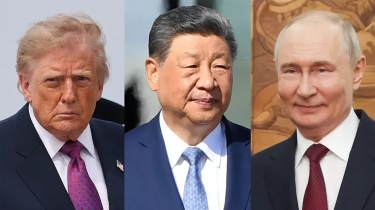
The dispute comes ahead of a potential meeting between US President Donald Trump and Chinese President Xi Jinping on the sidelines of the APEC summit in Shenzhen, southern China, next week.
With the prospect of high-level talks approaching, semiconductor trade restrictions and technology-related tensions are likely to remain significant issues in the broader US-China relationship.