
Iran Demands $290 Billion in Compensation from US Amid Conflict
Published : 11:19, 24 November 2026
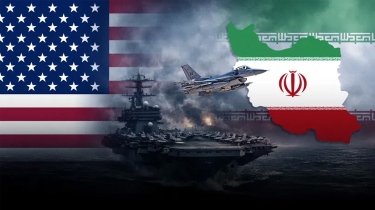
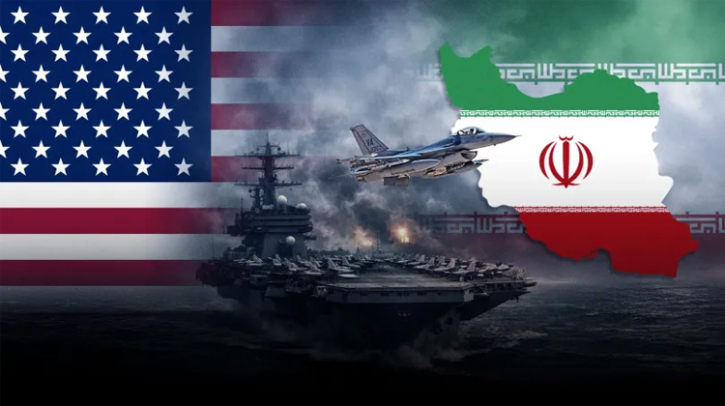
Iran has taken a tough stance against the United States amid the ongoing conflict, demanding $290 billion in compensation over alleged damages caused by American actions over several decades. Tehran has also warned that it will use all available means to counter the US naval blockade. Strikes on American military installations in the Middle East are reportedly among the options under consideration if tensions escalate further.
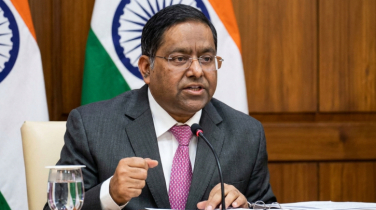
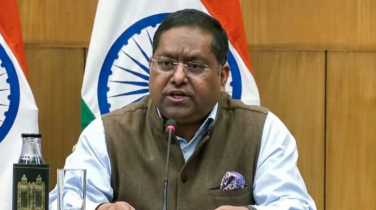
On Monday (November 23), Iranian Foreign Ministry spokesperson Esmaeil Baghaei issued a strong response to the US blockade during a press conference. Separately, an official from Iran's judiciary confirmed the compensation claim.
According to Iranian state television, Hassan Abdolianpour, head of the Judiciary's Centre for Legal Affairs, said courts across Iran had ruled in favour of awarding $290 billion in compensation in cases filed against the United States. The claims relate to damages allegedly caused by American actions over several decades.
He also said several cases had been filed against Gulf Arab countries over allegations that they allowed their territories to be used for attacks on Iran.
Tehran describes naval blockade as military aggression
Responding to the US naval blockade, Baghaei said Iran would not accept Washington's actions and would use all available means to counter what he described as American aggression.
He argued that measures Washington describes as economic sanctions, economic blockades and a naval blockade amount to military aggression against Iran. Under Article 51 of the United Nations Charter, he said, Iran has the right to take any necessary steps in self-defence.
The United States imposed a naval blockade on Iran on April 13. It was lifted in June after Washington and Tehran reached a draft understanding. However, following the collapse of that understanding, the US reinstated the blockade on July 14.
Strait of Hormuz disruption puts pressure on trade
The US blockade is placing increasing pressure on Iran's economy. More than 80 per cent of the country's total imports and exports pass through the Strait of Hormuz or its southern ports. Disruptions to shipping along these routes are therefore having a significant impact on commercial activities.
According to information from Tehran, Iran is exploring alternative ways to end the blockade. At the same time, attacks on US military facilities located in the region are reportedly being discussed. Further escalation is among the options under consideration by Tehran.
Conflict expands as diplomatic efforts stall
The conflict began on February 28 this year with US and Israeli airstrikes on Iran. Iran's Supreme Leader Ayatollah Ali Khamenei and several senior officials were killed in the attacks. Iran retaliated with missile and drone strikes across the region. The conflict expanded further as Iran-backed armed groups in Lebanon, Yemen and Iraq became involved.
The Strait of Hormuz emerged as one of the most critical flashpoints. Iran continued efforts to shut down the strategic waterway, which is vital for global oil and natural gas shipments. In response, the United States imposed a blockade on Iranian ports to prevent Tehran from taking such action. Washington also introduced successive economic sanctions and formed a special task force to disrupt the movement of goods overland.
Meanwhile, diplomatic efforts to end the war remain stalled. No significant progress towards a lasting resolution has been made since the June understanding collapsed. Iran claims it could reopen the Strait of Hormuz within two days if the United States agrees to end the war, lift the naval blockade and remove sanctions.
Baghaei said security could be restored in the Strait of Hormuz and across the region within a very short time if Washington fulfils its commitments.