
LTE Co-Founder Accuses Uber of Using Unapproved Campaign Copy Without Consent
Published : 15:55, 27 November 2026
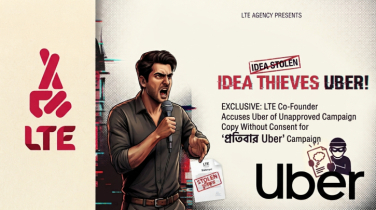
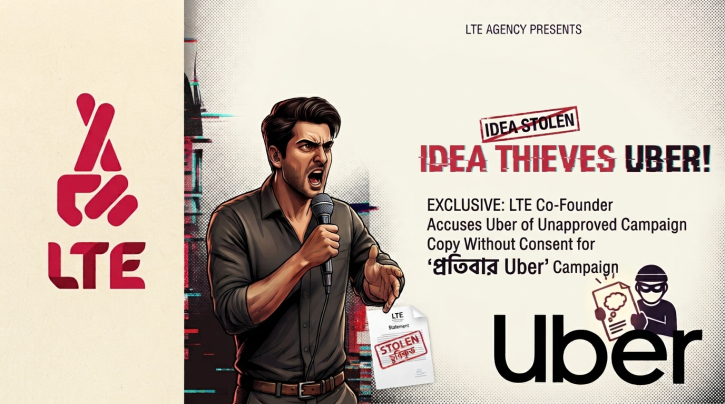
A dispute over creative ownership and professional ethics in Bangladesh’s advertising industry has emerged after a co-founder of local advertising agency Lie to Eye (LTE) accused Uber of using campaign ideas and copy allegedly developed by the agency without its consent.
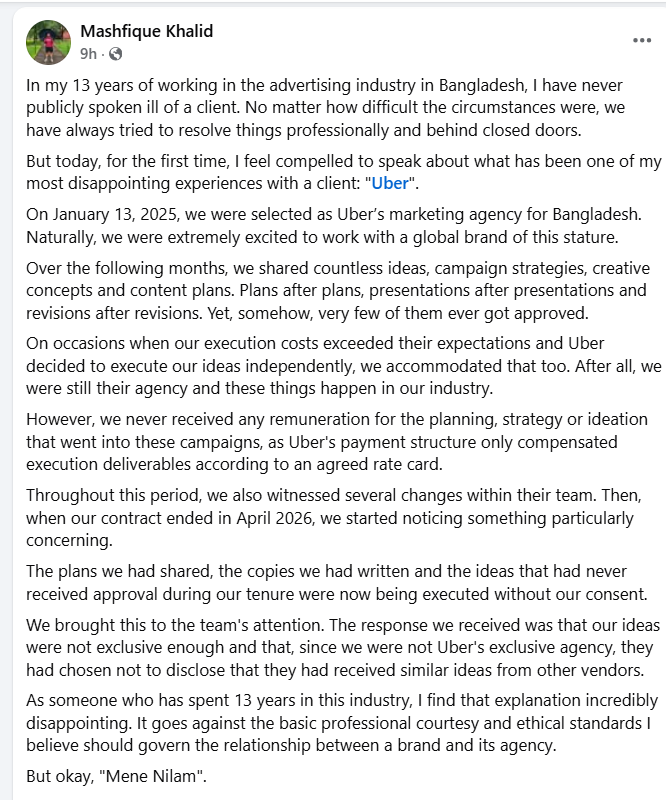
In a recent Facebook post, the agency co-founder said LTE was appointed as Uber’s marketing agency in Bangladesh on January 13, 2025. Over the following months, the agency presented campaign strategies, creative concepts, content plans, and advertising copy to the global ride-hailing company. However, he claimed that only a small number of the proposals received approval.
According to the post, there were also occasions when Uber chose to execute ideas independently because the agency’s proposed execution costs exceeded the company’s expectations. LTE accommodated those decisions, he said. However, the agency did not receive separate payment for planning, strategy or ideation, as the payment structure covered only execution deliverables under an agreed rate card.
The co-founder further claimed that after the contract ended in April 2026, the agency noticed that some of the plans, copies and ideas presented during its tenure—but never approved—were being used in subsequent campaigns.
He said LTE raised the matter with Uber’s team and was told that the ideas were not exclusive. The post also alleged that, because LTE was not Uber’s exclusive agency, the company had not disclosed whether similar ideas had been received from other vendors.
The latest concern relates to Uber’s 10th anniversary campaign in Bangladesh. The agency co-founder alleged that the campaign is using the copy “Protibar Uber”, which LTE had pitched multiple times during 2025 and 2026 but had never been given the opportunity to execute.
He argued that the issue goes beyond a single campaign line and concerns the commercial value of the time, effort and intellectual contribution of strategists, copywriters, designers and other creative professionals.
“Just because an idea was not approved does not mean it was free,” he wrote, stressing that advertising agencies should not be treated as free idea banks.
The post also included a claim about the agency’s operating costs. According to the co-founder, LTE’s total transportation expenses for attending meetings at Uber’s office over the 16-month period exceeded the total amount the agency billed the company.
Referring to his 13 years of experience in Bangladesh’s advertising industry, he said he had encountered similar situations involving other brands. However, he claimed that those cases were resolved through content removal, apologies, or compensation after the agencies raised their concerns.
He also said he was sharing relevant screenshots and timelines alongside the post so that people could assess the matter for themselves.
No official response from Uber Bangladesh or its relevant representatives was available at the time of publication. This report will be updated if the company provides a response.
The allegations have renewed discussion about creative ownership, fair compensation for strategic work, and professional ethics in relationships between advertising agencies and corporate brands in Bangladesh.