
Stronger Media Means Stronger Democracy: Mirza Fakhrul
Published : 00:28, 8 August 2026
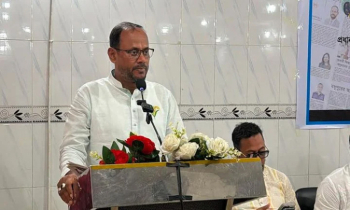
Local Government, Rural Development and Cooperatives Minister Mirza Fakhrul Islam Alamgir has said there is no alternative to a free, responsible, and strong media for establishing sustainable democracy.
“Democracy will be strengthened when the media is strengthened,” he said, stressing that building an effective democratic environment requires the collective and responsible participation of the government, media organizations, owners, journalists, and state institutions.
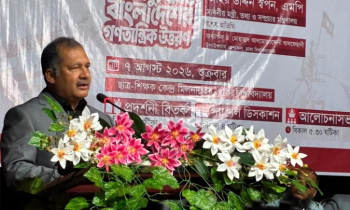
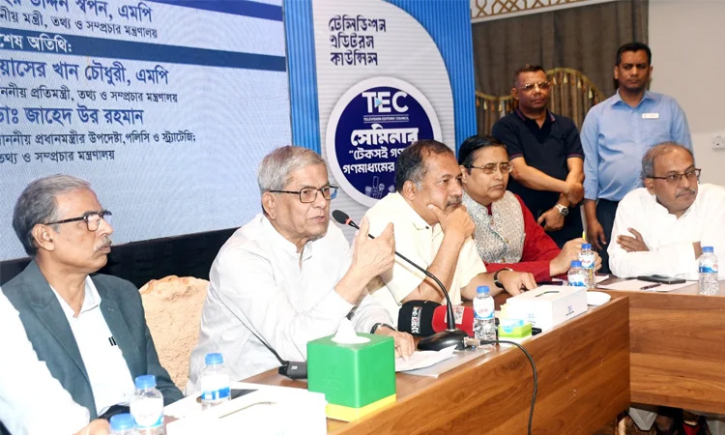
The minister made the remarks on Friday while speaking as the chief guest at a seminar titled “The Role of Media in Sustainable Democracy”, organized by the Television Editors Council at a hotel in the capital.
Mirza Fakhrul said democracy is not merely a system based on elections; rather, it is a culture that requires tolerance, respect for differing opinions, and sustained democratic practices.
He emphasized that democracy cannot stand on a strong foundation unless the country's institutions are strengthened. He also identified the publication of truth as the media's foremost responsibility and urged journalists to remain committed to truthful and objective reporting without resorting to self-censorship.
The minister also highlighted the need to ensure professional security, fair salaries and benefits, and an environment in which journalists can work independently.
He said that alongside building strong institutions, Bangladesh needs to develop a stronger democratic culture. Greater practice of freedom of expression, tolerance, and responsibility would enable the media to play a more effective role, while accurate and objective reporting would help strengthen public trust.
Speaking as the keynote discussant, Information and Broadcasting Minister Zahir Uddin Swapan said the July Uprising had opened new possibilities for the country. He said the media could play an important role in building a bridge of trust between the government and the people by making effective use of this opportunity.
He also stressed the importance of stronger coordination among the government, media owners, and advertisers to enhance the overall role and sustainability of the media sector.
The seminar was chaired by Dr. Abdul Hai Siddique, convener of the Television Editors Council. Professor Dr. A.B.M. Obaidul Islam, Vice-Chancellor of the University of Dhaka; Syed Abdal Ahmed, Chief Information Officer of the Press Information Department; Kader Gani Chowdhury, Secretary General of the Bangladesh Federal Union of Journalists (BFUJ); and Hasan Hafiz, President of the National Press Club, were among those attending, along with editors, senior journalists, and representatives of various media organizations.
The keynote paper was presented by Mostafa Akmal, Chief News Editor of Independent Television.
Subject-