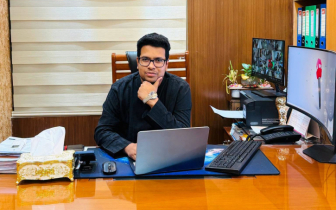

The Story Behind a Media Outlet’s Closure: Who Is Responsible and Where Did It Go Wrong? — Akram Hossain
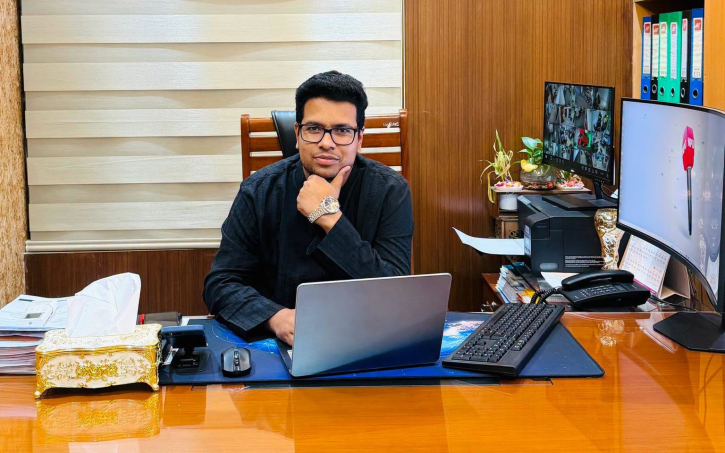
Published : 01:19, 1 September 2026
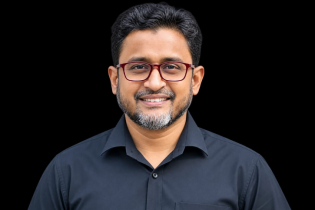
The closure of a media outlet is not merely the end of an organisation’s operations; it also puts the employment, families and futures of numerous journalists and media professionals at risk. Akram Hossain, Head of Digital at NPB News, has highlighted the importance of sustainable management and long-term planning for newly established media organisations.
In a social media post, he noted that whenever news of a media outlet shutting down emerges, the first concern is how many colleagues will face uncertainty from the very next day. According to him, the closure of a media organisation affects not only the institution but also the livelihoods, families and futures of its employees.
Akram Hossain said the media plays an important role as the fourth estate. Various government initiatives are in place to support the sector, although a significant portion of such support remains focused on newspapers, particularly through government advertising. At the same time, major business groups in Bangladesh have also invested in media organisations and contributed to the development of the sector.
However, many new media outlets have emerged in Bangladesh over the past several years, while some have faced difficulties or ceased operations after a relatively short period. Against this backdrop, Hossain raised a broader question: should such failures be attributed entirely to the owners, or do professionals involved in journalism and management also bear some responsibility?
Drawing on his experience and observations from the past eight to ten years, Hossain said investors in new media organisations may have their own business objectives or specific interests. However, beyond investment, the competence of those entrusted with running the organisation, their leadership capabilities and their sense of ownership toward the institution are equally important.
According to him, a lack of qualified leadership and proper planning, difficulties in building an effective team, limited long-term vision and inadequate assessment of future circumstances can create significant challenges for media organisations from the very beginning.
He also pointed out that newly established media outlets sometimes attempt to build competitive teams by recruiting experienced professionals from other organisations at significantly higher salaries. While this may initially appear to be an effective way to create a strong team, it can substantially increase operating costs.
If a long-term financial plan is not in place, organisations may eventually be forced to introduce cost-cutting measures, including staff reductions, creating further uncertainty for employees and the organisation itself.
Hossain stressed that a media organisation cannot become sustainable simply by hiring good journalists and professionals. It requires realistic planning, a well-organised team, an appropriate budget, clear editorial objectives, capable leadership and a long-term strategy.
He said that before launching a new media organisation, at least three issues should be clearly defined: what can realistically be achieved during the initial stage, where the organisation aims to be after its first year, and how the organisation will remain operational if investment decreases in the future.
Based on his observations, Hossain said financial constraints alone are not always the reason behind the difficulties faced by new media organisations. In many cases, the absence of proper planning regarding how, where and for how long available resources should be utilised can also become a major challenge to an organisation’s sustainability.
Akram Hossain believes that building a sustainable media organisation requires more than financial investment. The combination of efficient management, responsible leadership, realistic budgeting and long-term business planning is essential to ensuring organisational stability.
Such an approach, he said, can not only strengthen the long-term sustainability of media organisations but also help create a more secure and stable working environment for journalists and other media professionals.