
US Strikes Iran for Seventh Consecutive Night as Death Toll Rises to 50
Published : 00:44, 20 July 2026
The United States has carried out airstrikes on Iran for a seventh consecutive night, intensifying one of the most serious military confrontations between the two countries in recent decades. The sustained campaign has significantly escalated regional tensions, with Iran reporting at least 50 deaths and more than 500 injuries since the latest phase of US attacks began earlier this month.
According to the Iranian Health Ministry, US strikes conducted since July 6 have killed at least 50 people and wounded more than 500 others. Iranian officials said the casualties include women and children, while dozens of injured civilians remain hospitalised.
The latest overnight attacks targeted military infrastructure across southern Iran, including bridges, underground weapons storage facilities, surveillance installations, transport routes and maritime facilities. US Central Command said the strikes were intended to weaken Iran's military capabilities and reduce its ability to conduct future attacks against American forces and regional allies.
Iran, however, accused Washington of striking civilian infrastructure and violating international law. Officials reported damage to power, transport and water facilities in several provinces, warning that the attacks have disrupted essential public services for thousands of residents.
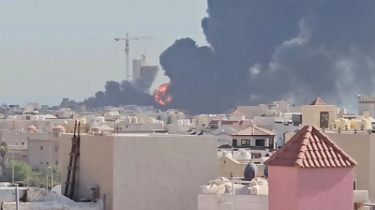
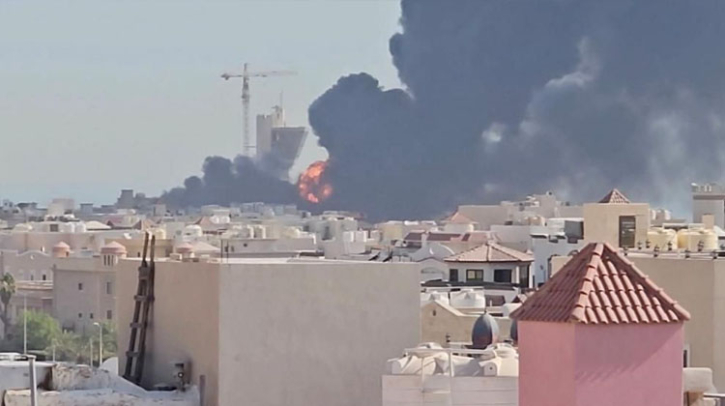
In retaliation, Iran expanded its military response by launching missiles and drones toward US military facilities in Jordan, Kuwait, Bahrain and other Gulf states. Several projectiles were intercepted by regional air defence systems, while some attacks reportedly caused infrastructure damage and temporary disruptions to electricity and water supplies.
The continued exchange of attacks has heightened concerns that the conflict could spread across the Middle East. Gulf countries have increased security around critical energy infrastructure, while commercial shipping through the Strait of Hormuz remains under heightened military surveillance because of fears of further escalation.
Washington has defended the ongoing military campaign, stating that the operations are designed to degrade Iran's military capabilities and protect US personnel deployed across the region. US officials have not disclosed the full extent of the targets struck during the latest wave of attacks.
Tehran has vowed to continue retaliatory operations unless the US halts its air campaign. Iranian leaders warned that countries hosting American military bases could face additional attacks if they continue supporting US operations.
The conflict has also intensified humanitarian concerns. International observers have warned that repeated attacks on infrastructure could further disrupt access to electricity, clean water and medical care, increasing the burden on civilians already affected by weeks of hostilities.
With both sides showing no indication of backing down, diplomatic efforts to restore dialogue have stalled, raising fears that the confrontation could develop into a broader regional conflict involving additional state and non-state actors across the Middle East.
Subject-