
Japan Relaxes Royal Family Rules but Maintains Ban on Female Emperors
Published : 01:01, 19 July 2026
Japan’s parliament has approved significant changes to the country’s imperial household rules in an effort to address the shrinking size of the royal family, while preserving the centuries-old system that allows only male-line descendants to inherit the throne.
Under the revised law, female members of the imperial family will be permitted to retain their royal status after marrying commoners. Previously, princesses were required to leave the royal household and become private citizens upon marriage.
The change is expected to allow married princesses to continue performing official duties, helping ease the increasing workload faced by the declining number of working members of the imperial family. However, their husbands and children will not receive royal status or become eligible for the throne.
The legislation will also allow eligible male descendants of former imperial branches to be adopted into the royal family. These branches lost their imperial status following reforms introduced after the Second World War.
Supporters say the adoption measure could increase the number of male members available to perform royal duties and potentially help preserve the traditional male-line succession system.
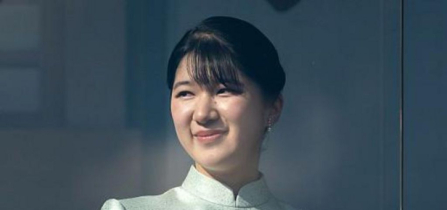
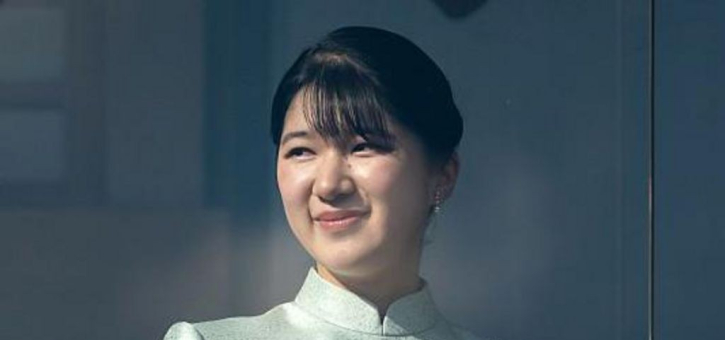
Despite these reforms, women remain barred from ascending the Chrysanthemum Throne. Princess Aiko, the only child of Emperor Naruhito and Empress Masako, will therefore remain excluded from the line of succession.
The current heirs are Emperor Naruhito’s younger brother, Crown Prince Fumihito; Fumihito’s son, Prince Hisahito; and the emperor’s elderly uncle, Prince Hitachi. The limited number of eligible male successors has prompted growing concern about the monarchy’s long-term future.
Japan has previously been ruled by women, with eight female emperors recorded throughout its history. However, all belonged to the imperial family’s male bloodline and were generally regarded as temporary rulers until a male successor became available.
Public opinion surveys have repeatedly indicated strong support for allowing a woman to become emperor, particularly Princess Aiko, who is widely popular in Japan. Nevertheless, conservative politicians maintain that uninterrupted male-line succession is central to the legitimacy and tradition of the imperial institution.
Critics argue that the reforms fail to solve the underlying succession problem and continue to discriminate against women. They also warn that placing responsibility for preserving the dynasty on a very small number of male members could threaten the monarchy’s sustainability.
The changes represent the first major revision of Japan’s Imperial House Law in decades. While they expand the roles available to royal women and increase the possibility of bringing male relatives into the family, they stop short of introducing equal succession rights.
Subject-