
Dangerous Wildfire Smoke Blankets Large Parts of Canada and the United States
Published : 00:56, 19 July 2026
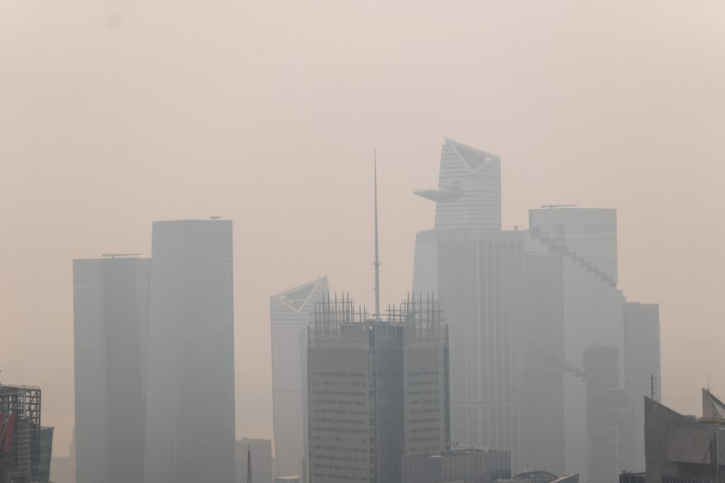
Thick smoke from hundreds of uncontrolled wildfires burning across Canada has spread over vast areas of North America, triggering hazardous air quality alerts and disrupting daily life in both Canada and the United States.
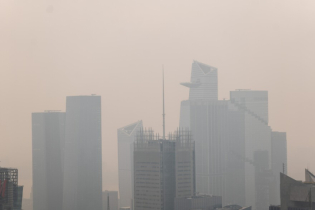
Health officials have issued warnings across several Canadian provinces and multiple U.S. states as dense smoke continues to drift southward, reducing visibility and creating unhealthy breathing conditions for millions of people. Cities including Toronto, Detroit, Chicago, Minneapolis, and New York have experienced some of the poorest air quality levels in the world in recent days.
According to Canadian authorities, more than 800 wildfires are currently active across the country, with many classified as out of control. Hot, dry weather and strong winds have fuelled the rapid spread of the fires, making containment efforts increasingly difficult.
Air quality has deteriorated to dangerous levels in several regions, prompting authorities to advise residents to remain indoors, keep windows closed and avoid strenuous outdoor activities. Schools, outdoor events, and recreational programmes have been affected in some communities, while people with asthma, heart disease, and other respiratory conditions have been urged to take extra precautions.
The smoke has travelled hundreds of kilometres across the border into the United States, where air quality alerts have been issued throughout parts of the Midwest, Great Lakes region, and Northeast. In several locations, the Air Quality Index (AQI) reached levels considered "very unhealthy" or "hazardous," posing risks even for otherwise healthy individuals.
Medical experts warn that wildfire smoke contains fine particulate matter capable of penetrating deep into the lungs and entering the bloodstream. Exposure can worsen asthma, trigger heart and respiratory illnesses, irritate the eyes and throat, and increase health risks for children, older adults, and pregnant women.
Firefighters continue to battle the blazes under challenging conditions, with emergency crews deployed across multiple provinces. Authorities say changing weather patterns and prolonged dry conditions have contributed to one of the most severe wildfire seasons in recent years.
Meteorologists expect shifting winds and possible rainfall to bring some temporary relief to affected regions over the coming days. However, officials caution that smoke conditions could continue to fluctuate as long as major wildfires remain active.
The ongoing crisis has once again highlighted the growing impact of extreme wildfire seasons across North America, with experts warning that rising temperatures and prolonged drought are increasing both the frequency and intensity of large-scale fires.
Subject-