
World Cup Final Analysis: Spain’s Collective Brilliance Meets Argentina’s Championship DNA
Published : 23:55, 19 July 2026
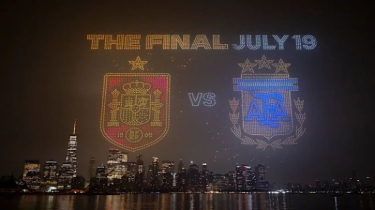
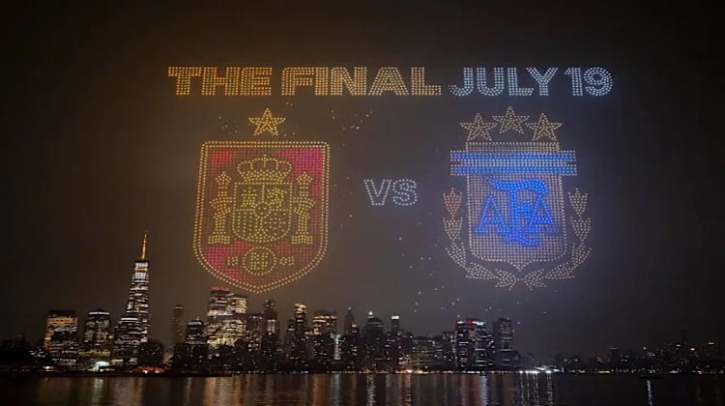
The 2026 FIFA World Cup reaches its climax on Sunday as Spain and defending champions Argentina face off in New Jersey in what promises to be a fascinating tactical battle between football's most complete team and one of its most resilient champions. More than a contest for the trophy, the final represents a clash of generations, philosophies, and footballing cultures.
A Battle of Two Football Philosophies
Spain has arguably been the tournament's most dominant side. Luis de la Fuente's team has combined high-possession football with relentless pressing, quick ball circulation, and defensive discipline. Rather than relying on one superstar, Spain has reached the final through collective organisation, with virtually every player contributing in attack and defence. They have conceded just one goal throughout the tournament, underlining the balance that has made them favourites.
Argentina, meanwhile, has followed a different path. Lionel Scaloni's side has repeatedly demonstrated its ability to absorb pressure, survive difficult moments, and strike decisively when opportunities arise. Their route to the final included narrow victories that highlighted their tactical flexibility and mental strength rather than overwhelming dominance.
Experience Versus Youth
The final also symbolises a changing of the guard in world football.
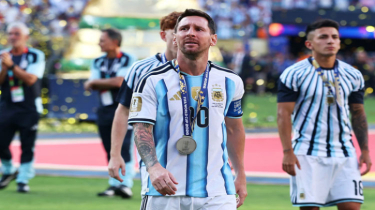
For Argentina, 39-year-old Lionel Messi remains the team's emotional leader and creative heartbeat. If this proves to be his final World Cup appearance, victory would cement one of the greatest international careers in football history. Coach Lionel Scaloni recently described Messi as "pure history", urging fans to appreciate every remaining moment of his career.
Across the pitch stands Spain's new generation, led by teenage sensation Lamine Yamal. Already regarded as one of football's brightest talents, Yamal has become the face of Spain's attacking revolution, symbolising the country's successful transition from one golden generation to another.
Where the Final Could Be Won
Much of the tactical battle may be decided in midfield.
Spain is expected to dominate possession, patiently building attacks while forcing Argentina to defend for long periods. Their success depends on controlling the tempo and preventing Argentina from launching quick counter-attacks.
Argentina, however, has repeatedly shown that they are comfortable without the ball. Rather than matching Spain's possession, Scaloni's side is likely to focus on compact defending, rapid transitions, and moments of individual brilliance from Messi and their experienced attacking players.
Mental Strength May Decide the Trophy
Perhaps the greatest difference between the two finalists lies not in tactics but psychology.
Spain has looked like the tournament's strongest footballing team. Argentina, however, possesses something equally valuable: championship experience. Many members of Scaloni's squad have already won the World Cup and understand how to manage the pressure of football's biggest occasion.
History has shown that finals are often decided not by which team plays better for 90 minutes, but by which team handles decisive moments more effectively.
More Than a World Cup Final
The match also represents a wider football narrative.
It pits Europe against South America once again, Spain's possession-based modern football against Argentina's competitive resilience. It may also be remembered as the symbolic passing of the torch from Lionel Messi to Lamine Yamal, a meeting between one of the greatest players in history and the sport's emerging superstar.
Whatever the outcome, the 2026 FIFA World Cup final is expected to mark the end of one remarkable era while ushering in another, ensuring its place among the tournament's most significant championship matches.