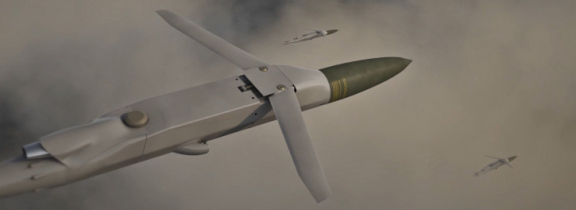

Israel Moves to Produce JDAM-Type Precision Munitions with Domestic Technology
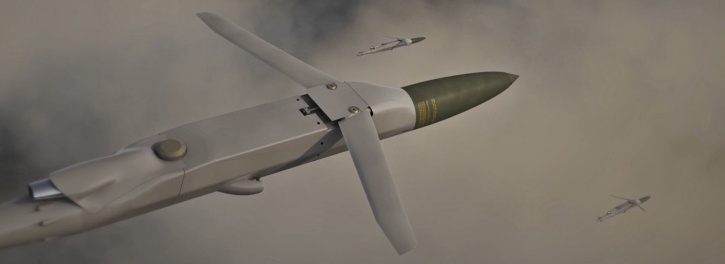
Published : 01:18, 19 July 2026
Israel is moving towards producing Joint Direct Attack Munition-type weapons with domestically developed technology, as the country seeks to reduce its longstanding dependence on the United States for precision-guided aerial munitions.
According to Israeli media reports, the country is expected to gain the capacity to manufacture the weapons on a large scale within approximately two years. The initiative forms part of a wider effort to strengthen Israel’s defence-industrial independence following prolonged military operations that placed heavy pressure on its ammunition reserves.
A Joint Direct Attack Munition, commonly known as a JDAM, is not an entirely new bomb. It is a guidance system fitted to a conventional unguided bomb, transforming it into a precision-guided weapon. Using satellite navigation and an inertial guidance system, the munition can strike designated targets with greater accuracy, including in poor weather conditions.
Israel has traditionally obtained substantial quantities of JDAM guidance kits and compatible bombs from the United States. In June 2025, Washington approved a possible $510 million sale involving more than 7,000 JDAM kits for use with different types of aerial bombs.
However, delays, political disagreements and uncertainty surrounding overseas arms supplies during recent conflicts have strengthened calls within Israel to establish independent production capabilities.
The domestic programme reportedly began taking shape in late 2024 under instructions issued during the tenure of former defence minister Yoav Gallant. Recommendations from a government-appointed committee also encouraged Israel to expand local production of critical weapons and reduce reliance on foreign suppliers.
Israel’s Defence Ministry has since signed several agreements with domestic defence manufacturer Elbit Systems for the production of heavy aerial munitions, artillery shells and essential raw materials. These contracts are intended to replenish military stockpiles and build a sustainable local supply chain.
The latest initiative is expected to involve the indigenous development and production of guidance, control and navigation components capable of converting standard bombs into precision weapons. Israeli defence companies already possess extensive experience in producing guided munitions, including the locally developed SPICE family of precision-guidance systems.
Large-scale domestic production could provide the Israeli Air Force with a more reliable supply of precision weapons during extended conflicts. It could also give Israel greater control over manufacturing schedules, technical modifications and integration with its F-15, F-16 and F-35I fighter aircraft.
The decision reflects one of the central lessons Israel says it has drawn from its recent wars: advanced military capability alone is insufficient without secure access to ammunition, replacement parts and raw materials.
Israel has consequently increased investment in local production of aerial bombs, missile interceptors, artillery ammunition and other essential weapons. Defence factories have expanded their operations, while several companies have introduced additional production shifts to meet military demand.
The move is also likely to attract international scrutiny because JDAM-equipped bombs have been widely used in densely populated conflict zones. Humanitarian organisations have repeatedly warned that even precision-guided weapons can cause extensive civilian casualties when large explosive warheads are used near homes and public infrastructure.
Israeli officials maintain that precision-guided munitions improve targeting accuracy and reduce unintended damage compared with unguided bombs. Critics, however, argue that accuracy alone does not determine whether an attack complies with international humanitarian law, which also requires distinction, proportionality and precautions to protect civilians.
Should the programme proceed as planned, Israel would significantly reduce its dependence on imported JDAM systems and strengthen its ability to sustain large-scale air operations using domestically produced precision munitions.
Subject-