
India’s ‘Cockroach’ Protest Continues After Police Crackdown Injures Scores
Published : 02:20, 22 July 2026
Thousands of supporters of India’s youth-led “Cockroach” movement continued demonstrating in New Delhi on Tuesday, a day after violent clashes with police left around 180 people injured and intensified public anger over alleged corruption and repeated failures in the country’s examination system.
Protesters remained gathered at Jantar Mantar, a designated protest site near Parliament, demanding the resignation of Education Minister Dharmendra Pradhan over alleged leaks involving the national medical entrance examination. Organisers said the campaign would continue, although they no longer planned another attempt to march directly towards Parliament.
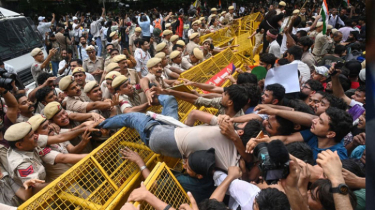
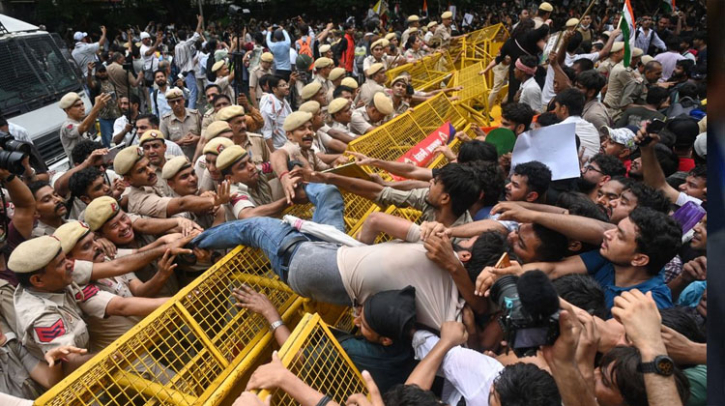
The continuing protest followed Monday’s confrontation, when demonstrators attempted to break through police barricades during the opening day of Parliament’s monsoon session. Police used tear gas and batons to disperse the crowd, while protesters were seen pushing barricades and throwing tear-gas canisters back towards security forces.
Delhi Police said the demonstration had become aggressive and violent, accusing some participants of attacking officers and damaging public property. Authorities detained dozens of protesters and registered a case in connection with the unrest. Movement organisers, however, accused police of using excessive force, particularly against women and injured demonstrators.
Exam Scandal Fuels Youth Anger
The protests centre on allegations of leaks and irregularities involving the NEET medical entrance examination, which affects about two million students seeking admission to medical colleges.
Demonstrators say repeated examination failures have destroyed students’ confidence, wasted years of preparation and contributed to severe emotional distress. The movement has linked the scandal to the reported suicides of several affected students and is demanding compensation for their families, independent investigations and greater accountability from education officials.
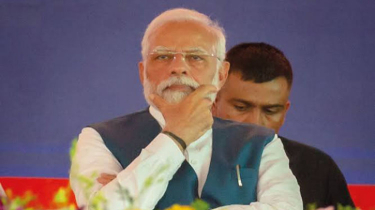
Prime Minister Narendra Modi has said the government is taking action. Authorities have arrested 13 people in connection with the alleged irregularities and have conducted a fresh examination. Protesters, however, argue that these measures do not address wider corruption and mismanagement within the testing system.
Why It Is Called the ‘Cockroach’ Movement
The Cockroach Janta Party began as an online satirical movement led by Abhijeet Dipke. Its name refers to remarks by India’s chief justice comparing some unemployed young people with questionable qualifications to “cockroaches”.
The judge later clarified that he had not intended to insult all unemployed youth and was referring to individuals holding allegedly false or invalid qualifications. Nevertheless, the term was adopted by young activists as a symbol of resistance against unemployment, political neglect and weaknesses in the education system.
The group has since grown into a broader youth movement, attracting students, professionals and families concerned about examination integrity, corruption, inflation and limited employment opportunities. It has developed a major social-media presence and has increasingly challenged Prime Minister Modi’s government through street demonstrations.
Founder Remains at Protest Site
Movement founder Abhijeet Dipke continued a sit-in at Jantar Mantar on Tuesday. The group initially said he had been taken away by police, but later clarified that he was neither detained nor arrested.
Organisers also said a government minister had offered to hold discussions regarding their demands. The movement welcomed the possibility of dialogue but said demonstrations would continue until authorities offered specific commitments rather than verbal assurances.
The protest has also received support from opposition politicians. Congress leaders Rahul Gandhi and Priyanka Gandhi joined a separate demonstration near Modi’s residence, while opposition lawmakers raised the examination controversy inside Parliament.
Wangchuk’s Hunger Strike Adds Momentum
The movement has gained further attention through the involvement of education reformer and climate activist Sonam Wangchuk, whose hunger strike became a rallying point for protesters.
Wangchuk was moved from the protest site to a hospital as his condition deteriorated. Following legal proceedings, he was permitted to receive treatment at a private hospital. His supporters have accused the authorities of removing him forcibly and have demanded that restrictions placed on him be lifted.
Major Challenge for Modi Government
The scale of the demonstrations represents a growing political challenge for Modi during his third term. The Cockroach movement has transformed an examination dispute into a wider expression of frustration over youth unemployment, corruption and the perceived failure of institutions to protect students.
The police crackdown appears to have strengthened rather than ended the campaign. More people joined the demonstration on Tuesday, while images of injured protesters and officers using batons circulated widely on social media.
Movement leaders insist their campaign will remain peaceful and have pledged to continue until the government addresses their central demands. Although the group has stepped back from another march on Parliament, the continuing sit-in suggests that the confrontation between India’s government and its increasingly organised youth protesters is far from over.
Subject-