
Nearly 1,000 People Have Died in the Democratic Republic of Congo’s Ebola Outbreak
Published : 23:46, 22 July 2026
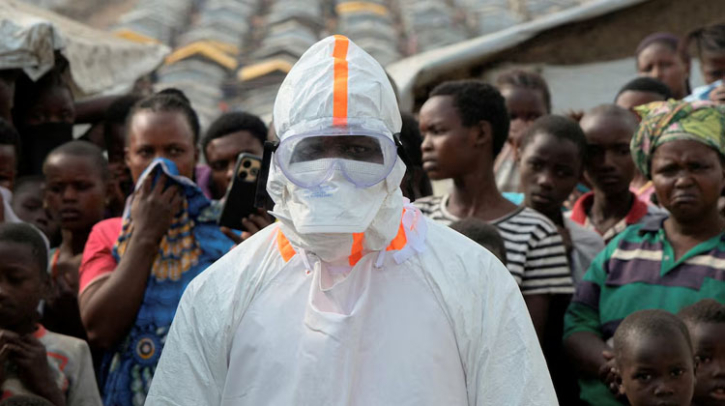
The Democratic Republic of Congo (DRC) has reported that nearly 1,000 people have died in its ongoing Ebola outbreak, as health authorities warned that the virus continues to spread rapidly in the country's conflict-affected eastern provinces.
According to the Congolese National Institute of Public Health, the number of confirmed Ebola cases has risen to 2,473, including 999 deaths, making it one of the deadliest Ebola outbreaks in the country's recent history. Fifty new confirmed infections were recorded on Monday alone, with the majority reported in Ituri and North Kivu provinces.
The outbreak is caused by the Bundibugyo strain of the Ebola virus, for which there is currently no licensed vaccine or approved specific treatment. Health officials say the situation is being worsened by insecurity, armed conflict, population displacement and limited access to affected communities, making surveillance and contact tracing extremely difficult.
The World Health Organization (WHO) has warned that the actual number of infections could be significantly higher than official figures because many cases remain unreported in remote or conflict-ridden areas. Officials estimate that only a small proportion of people exposed to the virus are being successfully monitored, while many deaths continue to occur outside health facilities.
Health authorities have also faced growing challenges from attacks on healthcare workers, community resistance to safe burial practices and strikes by unpaid medical staff. These obstacles have slowed efforts to isolate patients and interrupt chains of transmission.
The WHO and the Africa Centres for Disease Control and Prevention have appealed for increased international assistance, warning that without urgent financial and logistical support the outbreak could become one of the most severe Ebola epidemics in recent years.
Ebola is a highly infectious viral disease transmitted through direct contact with the blood or bodily fluids of infected people or contaminated materials. Symptoms include fever, severe weakness, vomiting, diarrhoea and, in severe cases, internal and external bleeding. Early diagnosis, isolation and supportive medical care are critical to improving survival and limiting further spread.
Subject-