
US to Announce Nuclear Cooperation Deal Allowing Saudi Arabia to Develop Civilian Nuclear Power
Published : 23:35, 22 July 2026
The Trump administration is preparing to submit a landmark civil nuclear cooperation agreement with Saudi Arabia to the U.S. Congress, paving the way for the kingdom to develop a civilian nuclear power programme in partnership with American companies. The proposed pact, however, is already drawing criticism because it omits several long-standing non-proliferation safeguards typically included in such agreements.
The agreement, known as a 123 Agreement under the U.S. Atomic Energy Act, was signed by U.S. Energy Secretary Chris Wright and Saudi Energy Minister Prince Abdulaziz bin Salman. It would allow the United States to transfer nuclear technology, equipment and expertise for peaceful nuclear energy projects in Saudi Arabia, including the possible construction of uranium enrichment facilities by U.S. companies.
Unlike previous U.S. nuclear agreements with countries such as the United Arab Emirates, the proposed Saudi deal does *not* include the so-called *Gold Standard", under which partner countries agree not to enrich uranium or reprocess spent nuclear fuel—activities that can potentially be used to produce material for nuclear weapons. The draft also omits the International Atomic Energy Agency's (IAEA) Additional Protocol, which provides inspectors with broader authority to verify that nuclear programmes remain exclusively peaceful.
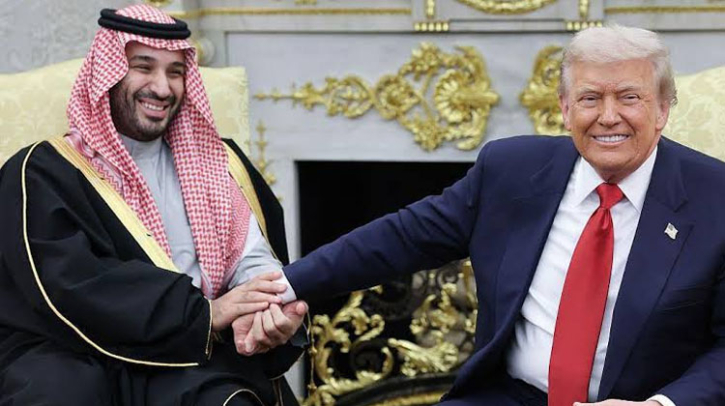
The proposed agreement has raised bipartisan concern in Washington. Lawmakers and arms-control experts warn that allowing Saudi Arabia greater flexibility over the nuclear fuel cycle could increase proliferation risks, particularly after Saudi Crown Prince Mohammed bin Salman previously said the kingdom would seek nuclear weapons if Iran were to acquire one.
The Trump administration argues that keeping U.S. companies at the centre of Saudi Arabia's nuclear programme would provide stronger oversight than allowing Riyadh to seek assistance from competitors such as China or Russia. Officials also say the agreement would strengthen the U.S. nuclear industry while reinforcing strategic ties with one of Washington's closest Middle Eastern partners.
Once formally submitted, Congress will have approximately 90 days to review the agreement. Lawmakers may attempt to block it through a joint resolution, although overturning a presidential veto would require a two-thirds majority in both the House of Representatives and the Senate, making rejection politically difficult.
The proposed pact comes amid heightened regional tensions following recent conflicts involving Iran's nuclear programme. Analysts say the agreement could reshape the balance of power in the Middle East by expanding Saudi Arabia's civilian nuclear capabilities while also intensifying debate over the future of global nuclear non-proliferation efforts.
Subject-