
Why Modi Is Standing by Education Minister Despite Mounting Pressure
Published : 23:30, 22 July 2026
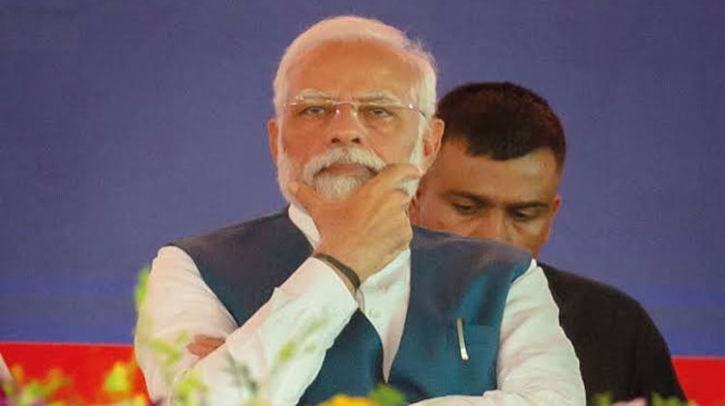
As nationwide protests over repeated examination paper leaks intensify, Prime Minister Narendra Modi has continued to back Education Minister Dharmendra Pradhan, rejecting growing calls from student groups and opposition parties for his dismissal. Political analysts say the decision reflects a long-established governing style in which Modi rarely removes senior ministers under public pressure.
The latest wave of protests was triggered by the leak of India's National Eligibility cum Entrance Test (NEET) medical entrance examination, which affected around two million students. Demonstrators, led by the youth-driven Cockroach Janta Party (CJP), argue that Pradhan bears political responsibility for repeated failures to secure the country's examination system and have made his resignation their central demand.
Despite the growing demonstrations, Modi has instead instructed officials to develop what ministers described as a "foolproof" public examination system and has pledged action against those responsible for the leaks. The government has emphasised reforms rather than ministerial accountability, while Pradhan has promised a broader debate on examination reforms and measures to address students' concerns.
A Familiar Political Strategy
Political observers note that Modi has consistently resisted removing senior ministers in response to public protests or opposition demands. Instead, his administration has generally defended cabinet colleagues while launching investigations, introducing reforms or taking action against officials directly implicated in controversies.
Supporters argue that this approach projects stability and prevents governments from appearing vulnerable to street pressure. Critics, however, contend that it weakens political accountability by insulating ministers from responsibility for administrative failures.
Pradhan is regarded as one of the Bharatiya Janata Party's (BJP) most influential leaders. A former party president in Odisha and a trusted Modi ally, he has held several major cabinet portfolios and remains an important political organiser within the ruling party. Analysts say these factors make his removal politically unlikely despite the controversy.
Opposition Seizes Opportunity
India's opposition parties have rallied behind the student movement, disrupting Parliament and organising demonstrations demanding Pradhan's resignation. Congress leader Rahul Gandhi has argued that if the education minister is not removed, Prime Minister Modi should accept political responsibility for the examination crisis.
The protests have evolved beyond the NEET controversy into a broader expression of frustration over youth unemployment, examination integrity and governance. Thousands have gathered in New Delhi and other major cities, while clashes between protesters and police have intensified political pressure on the government.
Government Bets on Reform Over Reshuffle
For now, there is little indication that Modi intends to reshuffle his cabinet. Instead, the government appears focused on restoring confidence in India's examination system through legislative and administrative reforms while standing firmly behind its education minister.
Whether that strategy succeeds may depend on whether promised reforms convince students that future examinations will be secure—or whether public demands for political accountability continue to grow.
Subject-