
Trump Administration Cancels Record More Than 300,000 US Visas
Published : 12:34, 21 October 2026
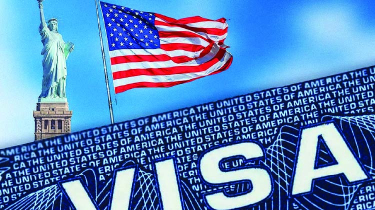
The Trump administration has revoked more than 300,000 visas over allegations involving criminal activity, fraud and violations of immigration law. The US State Department said the measures were taken to protect the country’s borders and national security, adding that similar actions would continue in the future.
On Tuesday, October 20, a State Department official said most of the visas were revoked because of criminal activity, public safety concerns, immigration violations, fraud and the provision of false information. Some visas were also cancelled after authorities obtained information indicating that the holders were no longer eligible to receive them.
The Trump administration has also taken action against foreign nationals who travel to the United States with the intention of obtaining citizenship for their children by giving birth there. This practice is commonly known as “birth tourism.”
According to the State Department official, more than 4,000 visas were revoked over alleged involvement in birth tourism or assistance in facilitating the practice.
State Department figures show that assault and related offences accounted for 25 percent of the revoked visas. Driving under the influence of alcohol accounted for 22 percent, while theft and drug abuse or distribution each accounted for 7 percent.
Earlier on Tuesday, State Department spokesperson Tommy Pigott said in a post on X that the United States had taken action against foreign nationals who violated the law, committed fraud or posed threats to national security while staying in the country on visas. He added that there would be no exceptions in such cases.
The number of visas revoked in the United States had exceeded 175,000 by August this year. In January, the State Department had announced the cancellation of more than 100,000 visas, describing the figure at the time as a record. The total has since climbed beyond 300,000.
Meanwhile, the Trump administration has tightened the visa issuance process. Authorities have expanded security screening and increased scrutiny of applicants’ social media activity.
However, rights advocates and experts have criticised the administration’s measures. They warn that increased monitoring of social media could undermine freedom of expression. Critics also fear that immigrants may face more extensive surveillance and a greater risk of being singled out for additional scrutiny.
Subject-