
Budget Signals Major Education Reform with Third-Language Learning, Student Loans and Digital Expansion
Published : 16:25, 11 June 2026
THE BUSINESS DAILY REPORT
The government is set to introduce a series of transformative reforms in the education sector through the proposed FY2026-27 national budget, focusing on curriculum modernization, technology-driven learning, foreign language education, and expanded access to higher education.
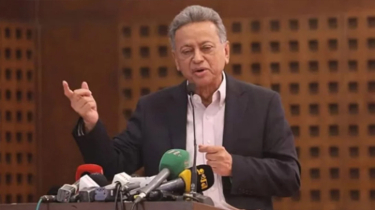
Finance Minister Amir Khasru Mahmud Chowdhury is scheduled to present the Tk 938,000 crore budget in Parliament on Thursday, marking the first budget of the current administration.
According to Finance Ministry sources, the government aims to gradually increase public spending on education to 5 percent of GDP while aligning the education system with the needs of a skills-based economy.
The proposed reforms include curriculum changes designed to strengthen ethics, leadership, social responsibility, and human values among students. Greater emphasis will also be placed on technical, vocational, and technology-oriented education.
As part of efforts to create a more student-friendly learning environment, the government plans to promote the concept of “Learning with Happiness” and gradually introduce compulsory technical education from the sixth grade onward.
A major highlight of the proposal is the introduction of third-language education alongside Bangla and English. Languages such as Japanese, Korean, Mandarin, Arabic, French, and German are expected to be incorporated into the curriculum. Students seeking higher education in countries where these languages are spoken may also be eligible for education loans of up to Tk 1 million.
The initiative is aimed at developing a globally competitive workforce and improving access to international education and employment opportunities.
To encourage female education, the budget may expand free education for girls up to the undergraduate level. Additional measures include free school uniforms, shoes, and bags for disadvantaged students, as well as expanded inclusive education services for students with disabilities and special needs.
The government also plans to gradually introduce a nationwide mid-day meal program to improve student nutrition and well-being. Enhanced sanitation and hygiene facilities for female students and teachers are also expected to receive priority.
Technology integration remains a key component of the reform agenda. Proposed measures include expanding free Wi-Fi access in educational institutions, establishing multimedia classrooms, and implementing the “One Teacher, One Tab” program to strengthen digital learning capabilities.
Furthermore, the budget seeks to promote creativity and innovation among students by expanding extracurricular activities such as debate competitions, science fairs, cultural programs, literary activities, and other co-curricular initiatives.
Education policymakers believe these measures could play a significant role in preparing Bangladesh’s future workforce for an increasingly competitive global economy while improving overall learning outcomes.