
Three-Year Delay Leaves Tk 7,000cr Steel Project Facing Uncertainty
Published : 18:30, 25 August 2026
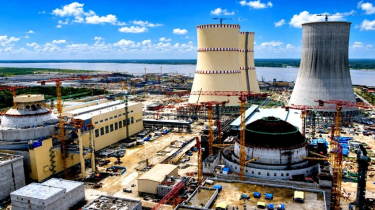
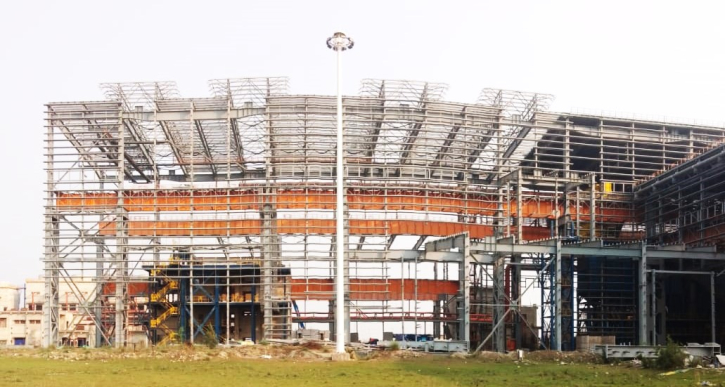
A mega steel project under construction at the Mirsarai Economic Zone has been delayed by nearly three years, with its estimated investment cost rising significantly due to financial, logistical and infrastructure-related challenges.
Bashundhara Multi Steel Industries Limited (BMSIL) initially planned to invest around Tk 4,160 crore in the project. The estimated project cost has now increased to approximately Tk 7,118 crore, creating uncertainty over the project’s financial outlook even before commercial production begins.
According to project officials, the plant was designed with an annual production capacity of approximately 1.25 million tonnes of steel. Once operational, it is expected to create around 7,000 direct jobs and nearly 100,000 indirect employment opportunities.
The project also aims to produce rebar coils and wire rods locally for the first time, potentially reducing Bangladesh’s dependence on imports of these products.
Construction of the project began in 2022 on around 70 acres of land at the Mirsarai Special Economic Zone. The project was designed to use advanced technology, reduce operating costs and lower carbon emissions.
For the import of capital machinery, letters of credit worth around Tk 550 crore were opened through syndicated term loans arranged by several banks. Machinery worth approximately Tk 500 crore subsequently arrived in Bangladesh in 275 containers.
However, according to project sources, banking and LC-related procedural complications delayed the release of the documents required to clear the machinery. As a result, the containers remained at the port for an extended period.
Project officials estimate that port charges, shipping damage, container detention and other related expenses eventually reached around Tk 950 crore.
The project also faced additional financial pressure due to changes in the exchange rate. When the LCs were opened in 2022, the US dollar was trading at approximately Tk 84–86. The subsequent depreciation of the taka significantly increased the project’s financial liabilities.
According to project-related estimates, currency depreciation and inflation created an additional financial burden of around Tk 850 crore against the imported machinery.
An eight-bank consortium led by Agrani Bank was formed to finance the project. The consortium includes Sonali Bank, Janata Bank, Rupali Bank, Bangladesh Development Bank, Mutual Trust Bank, Bank Asia and SBAC.
The consortium approved a syndicated term loan of approximately Tk 2,350 crore. Of this amount, around Tk 576 crore has so far been disbursed, while the remaining amount remains with the banks, according to project sources.
As of June 30, 2026, interest and excise duty associated with the project’s financing had reached approximately Tk 858 crore, according to the sources. Of this amount, around Tk 246 crore was attributed to the disbursed portion of the syndicated loan, while approximately Tk 611 crore was associated with forced loans.
BMSIL has reportedly repaid around Tk 411 crore so far, using sponsor equity and internal sources.
Project officials estimate that currency depreciation, port and container-related expenses, bank interest and other financial costs have collectively created an additional financial burden of around Tk 2,958 crore.
Utility infrastructure has also contributed to the project’s increased costs. According to project sources, additional expenditure was required for electricity transmission, gas and water infrastructure.
The company spent approximately Tk 300 crore to accelerate the development of utility infrastructure, including around Tk 250 crore for electricity transmission, Tk 40 crore for gas connectivity and Tk 10 crore for water infrastructure.
The Karnaphuli Gas Distribution Company approved a supply of 3 million standard cubic feet of gas per day for the project. Water and electricity connections were also approved. However, the project authorities say they had to spend their own funds to develop the required physical infrastructure.
The plant was originally scheduled to be commissioned in 2024. However, the commissioning schedule has now been pushed back, and project officials expect commercial production to begin by the end of 2027, provided the remaining issues are resolved.
Shahed Zahid, Chief Operating Officer of Safwan Bashundhara Global-SBG, said the project was designed to produce rebar coils and wire rods using advanced, lower-emission technology.
He said the project aims to produce high-quality steel at comparatively lower operating costs while reducing carbon emissions. It is also expected to create employment opportunities for engineers and skilled professionals.
However, the project’s estimated cost has increased from Tk 4,160 crore to Tk 7,118 crore, while the commissioning schedule has shifted from the end of 2024 to the end of 2027.
Industry stakeholders say timely banking services, efficient LC processing, port management, utility connections and a stable policy environment are essential for large-scale industrial projects. Delays in these areas can significantly increase project costs and create additional financial pressure on investors.
Once operational, BMSIL is expected to add significant production capacity to Bangladesh’s steel industry. Local production of rebar coils and wire rods could also reduce import dependence, save foreign currency and strengthen the domestic industrial supply chain.
Industry stakeholders believe that resolving the remaining implementation challenges and bringing the project into production should now be a priority. They say the delay of a major industrial project affects not only the investor but also employment, bank financing, government revenue, industrial production and the broader investment environment.