
Gas, Power Crisis Disrupts Industrial Production Across Bangladesh
Published : 11:27, 16 August 2026
A severe shortage of gas and electricity has disrupted industrial production across Bangladesh, with factories producing essential commodities, pharmaceuticals, ceramics, steel, textiles and other gas-dependent products either reducing output or suspending operations.
Industrial hubs in Narayanganj, Narsingdi and Chattogram have been among the worst affected.
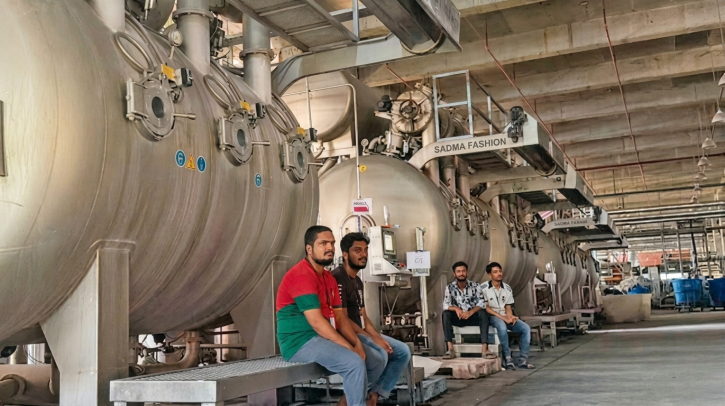
Industry owners said the gas supply shortage had persisted for nearly a month but intensified sharply over the past week. Low gas pressure has forced many factories to suspend production temporarily, leaving workers idle.
More than 100 factories in different industrial areas reportedly halted production over the past week, while production at another 150 or more factories has fallen significantly.
Essential Goods Production Hit
Factories producing sugar, edible oil, flour, wheat and pulses in Narayanganj and Chattogram have been particularly affected.
Meghna Group of Industries reportedly suspended production at 40 of its 57 factories, many of which produce essential commodities. Most factories operated by TK Group have also suspended production.
Production at different ACI facilities has declined by 30% to more than 50%, according to company officials.
The supply disruption has already affected wholesale markets. No sugar trucks reportedly entered Narayanganj's Nitaiganj wholesale market over the past three days, while the price of sugar increased by around Tk7 per kilogram due to supply shortages.
Factories Turning to Diesel
Some industries are using diesel as an alternative fuel to keep production running. However, this has substantially increased operating costs.
BSRM has been using diesel to maintain limited production after its gas supply was disrupted. Square Pharmaceuticals has also been operating two gas-dependent plants using diesel to avoid prolonged shutdowns.
Industrialists warned that prolonged disruptions could affect workers, supply chains, market availability and consumer prices.
Narsingdi Among Worst Hit
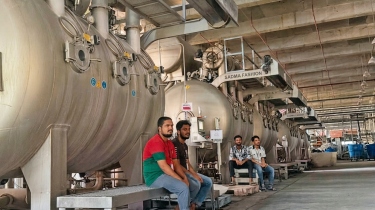
Narsingdi supplies nearly 70% of the country's local fabric demand and has more than 3,000 textile, dyeing and spinning mills.
Around 90% of gas-dependent factories in the district have reportedly been forced to suspend operations, while average production at some facilities has fallen to around 10% of capacity.
In Chattogram, production at at least 35 factories has reportedly been disrupted, with several plants fully or temporarily shut down.
Export-Oriented Industries Under Pressure
More than 100 industrial establishments in Habiganj have been receiving less gas than required for around three weeks. More than half of them are export-oriented.
Meanwhile, seafood processing factories in Khulna are struggling with power shortages. Many are using diesel-powered generators to keep cold storage facilities running, significantly increasing production and preservation costs.
Gas Supply Improves Slightly
After around 25 days of severe shortages, gas supply improved somewhat yesterday as the Summit LNG terminal resumed full operations and the Excelerate Energy terminal partially resumed operations.
According to Petrobangla data, Bangladesh's daily gas demand is around 3.8 billion cubic feet, while total supply stood at around 2.44 billion cubic feet yesterday evening.
Although the situation has improved slightly, industry leaders say the crisis has not yet been resolved.
Business leaders have urged the government to take urgent measures to restore gas and electricity supplies. One proposal is to resume transporting compressed natural gas from Bhola to industrial areas as a temporary measure.