
Father Christmas to Santa Claus: The Evolution of a Global Christmas Icon
Published : 23:38, 24 December 2025
Christmas celebrations around the world are synonymous with a jolly, white-bearded man in red who brings gifts to children, known widely today as Santa Claus.
But this familiar figure has a long and interesting history that evolved over many centuries and across different cultures.
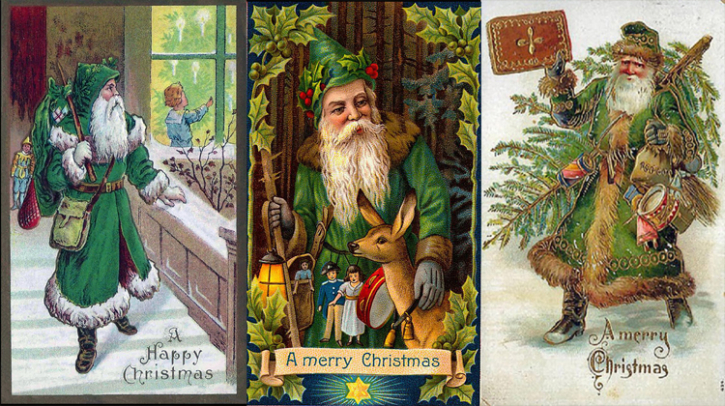
The name “Father Christmas” originated in England as early as the 15th century as a personification of the festive spirit of Christmas. Initially, Father Christmas was not a gift-giver or a nocturnal visitor to homes. Instead, he represented holiday cheer, feasting, merrymaking, and the joy of the season. Early records show he was associated with adult festivities rather than children’s present‑giving.
Over time, the English character of Father Christmas began to transform. By the Victorian era (19th century), British Christmas traditions started to absorb elements from American and Dutch customs, which centred on the story of Saint Nicholas and his reputation for secret gift‑giving. The Dutch name “Sinterklaas”, referring to St. Nicholas of Myra, influenced early American settlers, and this figure gradually became known as “Santa Claus.”
As these traditions blended, the two figures, the English Father Christmas and the American Santa Claus, merged into one. By the late 19th and early 20th centuries, Father Christmas had taken on most of Santa Claus’s attributes: a red outfit trimmed with white fur, a sack of toys, a sleigh, and the role of delivering gifts to children on Christmas Eve.
Today, the names Father Christmas and Santa Claus are often used interchangeably in many parts of the world, though “Father Christmas” remains more common in the United Kingdom and some other English-speaking countries, whereas “Santa Claus” is the dominant name in the United States and globally popular culture.
Different cultures have their own versions of the Christmas gift‑bringer, for example, Père Noël in French-speaking regions and Ded Moroz in Slavic parts of Europe, but they all share a common theme of generosity and festive joy during the holiday season.
Sources- History of Santa Claus & Father Christmas. History.co.uk
BD/AN