
Bangladesh at a Crossroads: Tarique Rahman Returns After 17 Years, Emerges as Potential Next Prime Minister
Published : 23:23, 25 December 2025
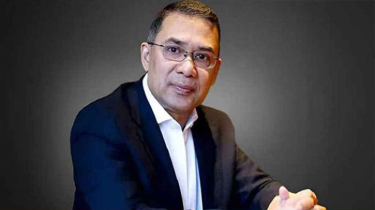
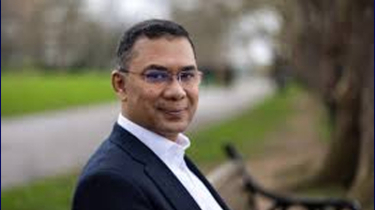
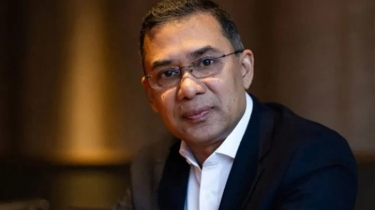
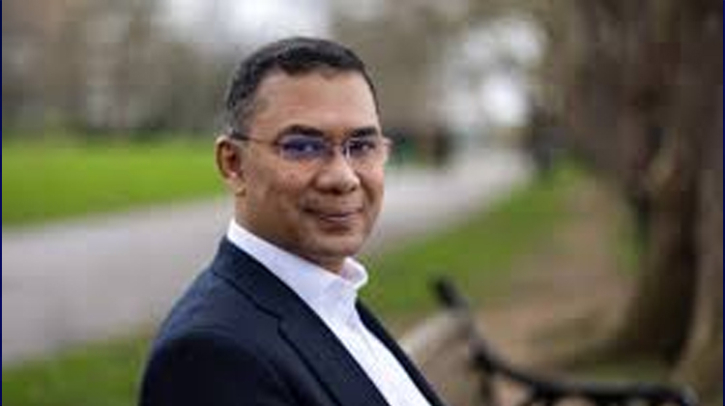
In a momentous political development, Tarique Rahman, acting chairman of the Bangladesh Nationalist Party (BNP) and son of former Prime Minister Khaleda Zia, has returned to Bangladesh after nearly 17 years in self-imposed exile in London.
His homecoming on December 25 marks a dramatic turning point in Bangladesh’s political landscape as the country prepares for general elections scheduled for February 12, 2026, potentially paving the way for Rahman to become the nation’s next prime minister.
Historic Return Amid High Stakes
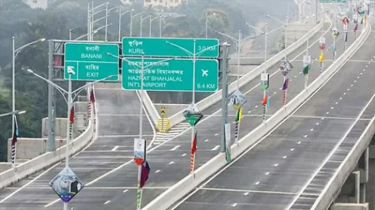
Rahman’s arrival at Hazrat Shahjalal International Airport was met with massive crowds of supporters, many waving BNP flags and cheering along the route into Dhaka. Accompanied by his wife and daughter, Rahman’s return has been described by party loyalists as both politically and emotionally charged, symbolising a new beginning for the BNP ahead of the elections.
Stepping barefoot onto Bangladeshi soil, a symbolic gesture of reconnection with his homeland, Rahman’s return comes against the backdrop of profound national political change following the ouster of long-time Awami League leader Sheikh Hasina in 2024 after a popular uprising.
Political Background and the Road to Candidacy
Tarique Rahman, now 60, is the eldest son of former President Ziaur Rahman and former Prime Minister Khaleda Zia. He emerged as a central figure in Bangladeshi politics during his mother’s tenure in the early 2000s. However, serious allegations, including corruption and political violence, led to his departure to the UK in 2008 for medical treatment following legal troubles during a then-caretaker government.
Since then, he has led the BNP from abroad as acting chairman, a role he assumed in 2018, maintaining influence over party strategy despite his absence. Most charges against him were overturned under the current interim government, removing legal barriers to his return.
A Leading Contender for Prime Minister
With the upcoming elections just weeks away, Rahman is widely viewed by both BNP supporters and many independent analysts as the leading contender for the prime ministership should his party secure a parliamentary majority. BNP leadership has publicly stated that Rahman would assume the country’s top executive role if the party wins the elections.
Political commentators note that the BNP currently leads in several public opinion assessments and enjoys a strong organisational presence across the country. The elections are expected to be highly competitive, with the political environment markedly changed following the exclusion of the Awami League from the race.
Reactions and National Implications
Reactions to Rahman’s return have varied across the political spectrum:
- BNP allies and supporters view his homecoming as a boost to democratic participation and party morale, expressing hopes that he will energize the election campaign and restore political stability.
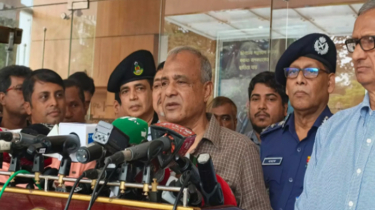
- Interim government officials have framed Rahman’s return as a positive factor in filling a perceived political vacuum and facilitating a smoother democratic transition toward elected governance.
- Critics and opposing voices remain cautious about the BNP’s prospects and Rahman’s leadership style, noting past controversies and the challenges of uniting diverse political blocs in a rapidly evolving context.
Challenges Ahead
Despite significant support, Rahman faces formidable obstacles:
- Managing internal party dynamics: Integrating long-present leaders with those who remained in the country during his exile will be critical.
- Navigating national and regional relationships: Bangladesh’s foreign relations, especially with neighbours such as India, could become focal points as political rhetoric and strategic priorities evolve following Rahman’s return.
- Ensuring electoral legitimacy: With heightened international scrutiny and domestic calls for free and fair elections, the credibility of the upcoming vote will be closely watched.
What Comes Next
As the nation approaches the February 12 election, all eyes are on Tarique Rahman’s political strategy, public engagements, and the BNP’s ability to mobilise voters across constituencies. Whether his dramatic return translates into electoral victory and possibly the prime ministership will shape the future of Bangladesh’s governance and its democratic trajectory.
Sources: Al Jazeera, Reuters, The Daily Star, Anadolu Agency
BD/AN