
US Proposes $70,000 Fee for International Students’ Work Training
Published : 12:59, 8 October 2026
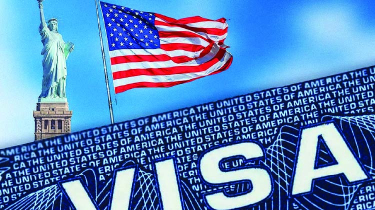
The US Department of Homeland Security (DHS) has proposed a major new fee for international students seeking practical work experience in the United States.
Under the proposal, institutions sponsoring Optional Practical Training (OPT) for students holding F-1 nonimmigrant visas could be required to pay a fee of $70,000.
The proposal was announced in a government notice published on Wednesday as part of the Trump administration’s broader effort to tighten controls on foreign visa holders.
Under the proposed rule, an institution would have to pay $70,000 for an F-1 student’s approved practical training. An additional $30,000 fee has also been proposed for certain additional employment training.
DHS said the proposed fees are intended to prevent fraud, improve transparency and reliability within the immigration system and protect US workers.
At present, students participating in the OPT programme generally pay a fee of around $500. The programme allows eligible international students to receive practical work experience for up to 20 hours a week while school is in session. Students may also remain eligible for OPT for a specified period after completing their degrees. Graduates in science, technology, engineering and mathematics—known as STEM fields—can receive additional benefits under the programme.
According to DHS, the proposed fee structure is designed to ensure that employers, students and educational institutions operate consistently with the requirements governing F-1 nonimmigrant status.
OPT often serves as an important pathway for international graduates who later seek employment in the United States through the H-1B visa programme. For decades, the H-1B system has helped provide US employment opportunities for young engineers and scientists, with students from India and China among its major beneficiaries. Major US technology companies also rely heavily on skilled foreign workers.
The proposal appears to differ from some of President Donald Trump’s earlier comments. During his 2024 election campaign, Trump said the US should make it easier for foreign students to remain in the country after graduation. He also suggested that graduates should potentially receive green cards automatically.
The proposed rule is likely to face legal challenges, as other immigration restrictions introduced by the Trump administration have done.
Doug Rand, director of the Talent Mobility Fund, criticised the proposal in a LinkedIn post on Wednesday, arguing that the rule could face difficulties in court. He compared it with the administration’s $100,000 H-1B fee and other restrictive policies that have faced legal challenges.
The public will have 30 days to submit comments before the proposed rule is finalised. DHS said that once the rule is finalised, there will be an additional 60-day period before it takes effect, giving universities, students and employers time to prepare.
Subject-