
Shaheed Noor Hossain Day: Remembering a Symbol of Bangladesh’s Struggle for Democracy
Published : 11:02, 10 November 2026
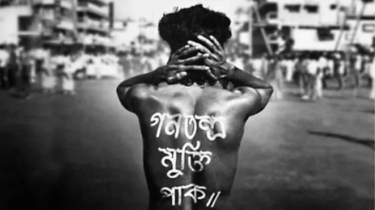
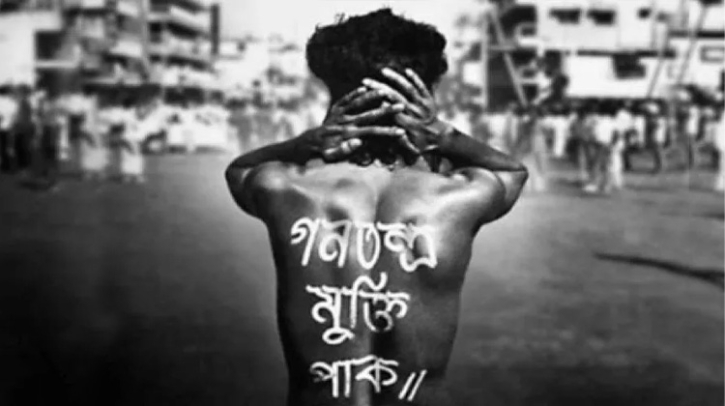
November 10, 1987. Dhaka was gripped by a mass movement against the military-backed authoritarian rule of the time. Thousands of people took to the streets demanding an end to autocratic rule and the restoration of democracy. Among them was a young man whose chest and back carried two powerful slogans in Bangladesh’s political history: “Down with Autocracy” on his chest and “Let Democracy Be Free” on his back.
He was Shaheed Noor Hossain. Bangladesh observes Shaheed Noor Hossain Day every year on November 10 to commemorate his sacrifice.
The Historic Day on the Streets
In November 1987, opposition political parties called a “Dhaka Siege” programme against the military rule of then-President H. M. Ershad. On November 10, protesters marched towards Zero Point in front of the Secretariat, now known as Noor Hossain Square. At the forefront of the procession was Noor Hossain, a 26-year-old activist of the Jubo League.
By writing the slogans on his own body, he turned himself into a living symbol of protest against authoritarian rule. His courageous act inspired fellow demonstrators and became a powerful expression of the public demand for democracy.
A Bullet in His Chest, a Message That Endured
As the procession approached Zero Point, police launched baton charges, fired tear gas and opened fire on protesters. Noor Hossain was struck by a bullet in the chest and fell on the bloodied streets.
Although his life was cut short, the slogans written on his body quickly spread across the country and became deeply embedded in the public consciousness.
Several other protesters, including Nurul Huda Babul and Aminul Huda Tito, were also killed that day.
A Catalyst in the Struggle to Restore Democracy
Noor Hossain’s sacrifice became a defining moment in Bangladesh’s political history. His death intensified the anti-autocracy movement, drawing students, workers and people from different walks of life into the streets.
The sustained mass movement eventually led to the end of H. M. Ershad’s nearly nine-year rule on December 6, 1990.
The Relevance of His Legacy Today
Noor Hossain remains an enduring symbol in the history of Bangladesh’s democratic movement. Every year on November 10, people pay tribute to his memory and sacrifice.
His life and death continue to remind the nation of the struggle for democratic rights and resistance against authoritarianism. For younger generations, his legacy represents the courage to stand against injustice and remain steadfast in the pursuit of people's rights.
As long as the aspiration for democracy remains alive in Bangladesh, Noor Hossain’s image and the slogans he carried will remain an unforgettable part of the nation’s history.