
Rising Prices of Essentials Continue to Burden Consumers
Published : 05:14, 21 April 2026
Dhaka, April 20, 2026: Consumers across Bangladesh are still struggling with rising prices of essential commodities, as costs continue to increase in both kitchen markets and grocery items.
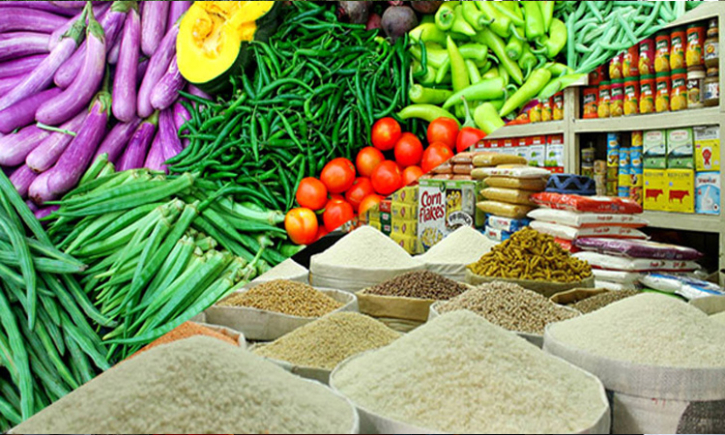
From rice, lentils, edible oil, and sugar to vegetables, fish, and meat, prices of most daily necessities have increased, putting significant pressure on household budgets. The price hikes of staple items such as rice, sugar, and eggs have particularly intensified the burden on low- and middle-income families.
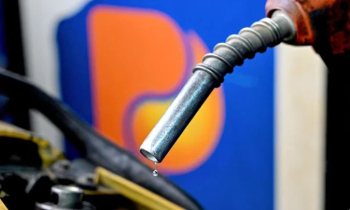
Market insiders say the recent increase in fuel prices has played a major role in driving up the cost of essential goods. Higher fuel prices directly affect transportation costs, which in turn raise the overall cost of bringing goods from production areas to urban markets.
Economists note that such price increases are part of a chain reaction. When fuel costs rise, transportation expenses increase, and this eventually leads to higher wholesale and retail prices. As a result, consumer purchasing power declines, and market instability risks becoming prolonged.
A private-sector employee shopping at a market in the capital said it has become difficult to manage daily expenses. “It’s no longer possible to shop the way we used to. Even buying essential items has become challenging because income hasn’t increased the way prices have,” he said.
Retailers say they are also under pressure. According to one shopkeeper, the cost of purchasing goods from wholesalers has increased, while transportation expenses have also risen. As a result, retailers have little choice but to raise prices, even though customers often express frustration.
Business leaders and market observers believe the price surge in essential commodities is no longer an isolated issue but part of a broader cycle of rising costs. They suggest that simply increasing market monitoring will not provide a long-term solution.
Experts say that, alongside monitoring, steps such as reducing transportation costs, ensuring uninterrupted supply chains, and addressing the impact of higher fuel prices are necessary to stabilize the market and protect the purchasing power of ordinary consumers.
Subject-