
Budget to Prioritize Empowerment of Low-Income and Marginalized People, Says Finance Minister
Published : 01:19, 3 June 2026
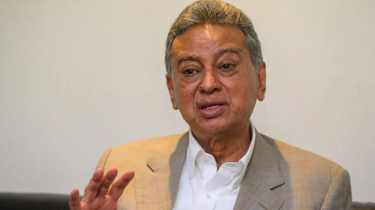
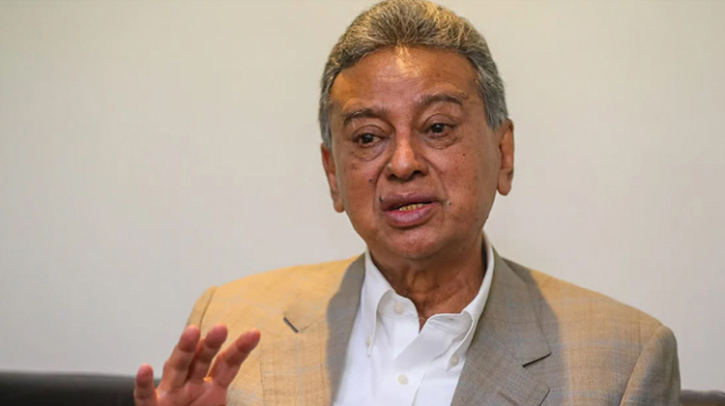
Finance and Planning Minister Amir Khasru Mahmud Chowdhury has said that the upcoming national budget for FY 2026-27 will focus on empowering low-income and marginalized communities by integrating them into the mainstream economy.
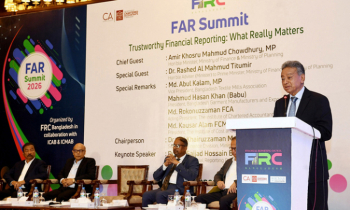
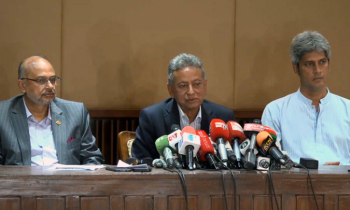
Speaking as the chief guest at a seminar titled “Budget 2026-27: Expectations and Realities,” organized by the Economic Reporters Forum (ERF) in Dhaka on Tuesday, the minister outlined the government's vision for a more inclusive economic framework.
He said the central philosophy of the new budget is the “democratization of the economy,” aimed at ensuring that all segments of society can participate in and benefit from economic growth. According to him, lower-income groups have historically received inadequate attention in national budgets, prompting the government to place them at the forefront of its fiscal planning.
The minister announced that under the Family Card program, financial assistance will be transferred directly to beneficiaries’ accounts, eliminating opportunities for political influence and middlemen.
Highlighting the agriculture sector, he said the government plans to introduce a Farmers Card initiative to strengthen food security and improve the livelihoods of farmers across the country.
On healthcare, Chowdhury noted that Bangladeshi citizens continue to bear a significant portion of medical expenses out of pocket. To address this, the government is prioritizing the expansion of universal and primary healthcare services through collaboration with both public and private sectors, as well as development partners.
He also emphasized the importance of the creative economy, saying artisans, weavers, blacksmiths, cultural workers and theater practitioners will be brought under a dedicated support framework. The initiative will provide training, financing, branding assistance and market access to boost their contribution to the economy.
Regarding investment and business development, the finance minister said the government is working to reduce bureaucratic complexities and unnecessary regulatory barriers. He stressed that approvals and permits should be issued within fixed timelines to create a more business-friendly environment.
Chowdhury further revealed plans to restructure the Bangladesh Securities and Exchange Commission by appointing experienced and professional individuals, expressing confidence that the move would enhance investor trust and strengthen the country's capital market.
He expressed optimism that ongoing reforms and policy measures would gradually lead Bangladesh toward greater economic stability and sustainable growth.
The seminar was chaired by ERF President Daulat Akter Mala and attended by distinguished guests, including Fahmida Khatun, Azam J Chowdhury and Shawkat Aziz Russell.