
Bangladesh Sets Five-Year Plan to Strengthen Energy Security
Published : 21:10, 5 September 2026
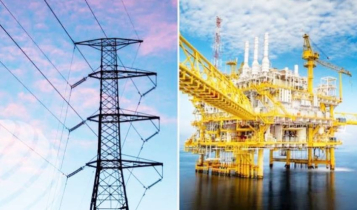
The government has adopted a five-year strategic plan to strengthen Bangladesh’s energy security, with initiatives covering LNG infrastructure, power generation, nuclear energy and renewable power. The plan targets implementation of key projects by 2031.
The strategic framework includes plans to expand gas supply through new pipelines, increase electricity generation from renewable sources and improve institutional capacity in the power and gas sectors. Sector experts have also stressed the importance of making better use of existing infrastructure alongside new investments.
Under the plan, two new LNG terminals or floating storage and regasification units (FSRUs) are proposed for Khulna and Barishal. The government is also considering a 400MW gas-fired power plant using gas from Bhola, two large coal-fired power plants in Matarbari and Payra, and another nuclear power plant.
Energy experts, however, say that expanding infrastructure should be accompanied by efforts to improve the efficiency of existing power and energy facilities. They have also highlighted the importance of increasing domestic gas exploration and production, improving transmission and distribution systems, and expanding renewable energy use.
Power Demand and Generation Capacity
The government’s planning framework takes into account expected growth in electricity demand. Demand is projected to increase by around 6 percent annually, and with a 15 percent reserve margin, demand could reach 25,714MW over the next five years. At the same time, managing existing generation capacity will remain an important issue.
Experts say decisions on new power plants should be accompanied by assessments of the economic viability, efficiency and fuel supply requirements of existing plants. Such measures could help improve cost management in the power sector.
Dr Fahmida Khatun, Distinguished Fellow of the Centre for Policy Dialogue (CPD), said improving efficiency in the power and energy sectors requires effective institutional structures and reforms. She stressed that long-term institutional development should move forward alongside measures to address immediate challenges.
Focus on Financial Management
Financial management is another important issue for the power sector. The Bangladesh Power Development Board (BPDB), which is involved in power generation, procurement, and supply, has faced financial pressure over the years. Government subsidies have been used to support various expenses in the sector.
According to BPDB sources, the country’s electricity demand is around 17,500MW, while installed generation capacity exceeds 29,000MW. The government provided Tk52,000 crore in electricity subsidies during the 2024-25 fiscal year.
Former energy-sector official Mortuza Ahmed Faruk Chishti said ensuring more efficient operation of existing power and energy infrastructure is important. He noted that better coordination between fuel supply and power generation would help manage costs more effectively.
LNG Imports and Domestic Gas
Bangladesh has increasingly relied on LNG imports to meet its gas demand. The construction of two additional FSRUs would further increase import capacity. At the same time, international energy prices and supply conditions could have a significant impact on the country’s energy costs.
According to Petrobangla officials, LNG import costs could exceed Tk90,000 crore in the current fiscal year. Total spending on LNG imports had reached around Tk2.77 lakh crore through fiscal year 2025-26 since Bangladesh began importing LNG.
Meanwhile, efforts are also being considered to connect gas reserves discovered in Bhola to the national grid. Sector stakeholders believe a pipeline connection could allow the gas to be used by power plants and other consumers in different parts of the country.
Greater Emphasis on Renewable Energy
Renewable energy has also been given importance in the government’s energy-security framework. Bangladesh plans to develop 10,000MW of solar power generation capacity. Initiatives such as net metering are also being used to encourage greater adoption of solar power.
Dr Khandaker Golam Moazzem, president of Knowledge Hub Institute, said strengthening the capacity of relevant state institutions would be important as Bangladesh expands its renewable-energy activities. He highlighted the need to enhance the institutional capabilities of organisations including BPDB, PGCB, BERC, Petrobangla and BPC.
Dr Manzur Hossain, Member (Secretary) of the General Economics Division of the Planning Commission, said the strategic framework primarily sets priorities for the next five years and serves as a guideline. Relevant ministries and divisions will subsequently prepare separate action plans based on those priorities, while institutional and structural measures can be detailed during the implementation stage.
He said the government is focusing on increasing renewable-energy generation while reducing import dependence and developing a sustainable energy-security system.