
In a Democracy, People Hold the Mandate: Opposition Campaign Sparks Political Debate
Published : 02:29, 7 September 2026
In a democratic system, the legitimacy of state power ultimately rests with the people’s electoral mandate. A government that receives the people’s vote is expected to govern for its constitutionally defined term. At the same time, criticism, protest and political movements against government policies are also normal features of a democratic system.
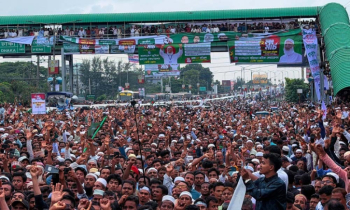
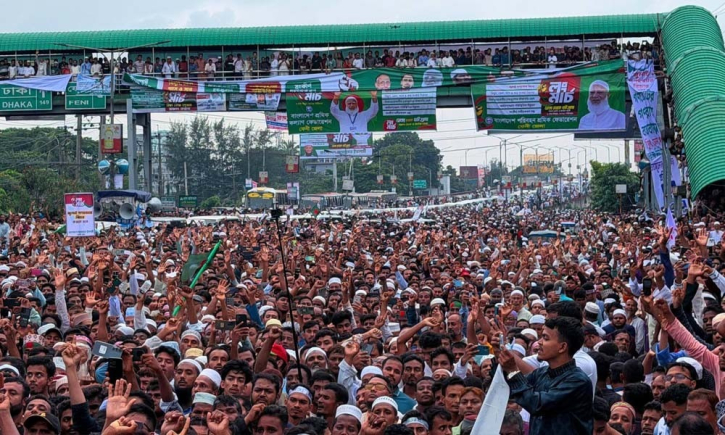
A recent programme by an 11-party alliance, including a procession towards the Dhaka-Chattogram highway, has generated fresh discussion in Bangladesh’s political arena. The large turnout and speeches by political leaders highlighted the alliance’s organisational strength as well as its demands.
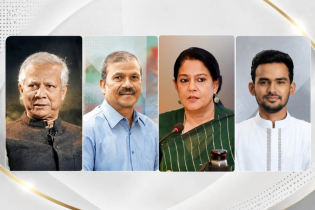
At a programme in Feni’s Mahipal, Jamaat-e-Islami Amir and opposition leader Dr Shafiqur Rahman spoke about the political situation, while LDP Chairman Col (retd) Oli Ahmed called for preparations for political change and referred to December as a possible timeframe.
The 11-party alliance has put forward a six-point set of demands covering issues including justice over the July violence, implementation of the referendum verdict, measures to address rising prices and the energy crisis, and reducing political influence in public administration.
In a democratic system, political parties have the right to raise such demands, mobilise public opinion and organise peaceful movements. However, political pressure through street protests and obtaining a national mandate through elections remain fundamentally different processes.
NCP leader Nahid Islam’s indication that the six-point demands could eventually be turned into a single-point demand has also drawn political attention. The development has raised questions about the future strategy of the opposition alliance and the direction of its political movement.
The large participation in the Dhaka-Chattogram highway programme demonstrated the organisational capacity of the alliance. However, participation in a political rally and the nationwide verdict delivered through ballot boxes are two different measures of public support.
In a democratic system, elections remain the principal mechanism for determining who will govern. Political change can also take place through constitutional and parliamentary processes. Street movements can play an important role in shaping public opinion, but they do not replace an electoral mandate.
With political parties increasing their activities and alliances taking shape, discussions about Bangladesh’s political future are gaining momentum. The scale of opposition movements, the government’s response to their demands and the positions taken by different political parties will become clearer in the coming months.
Whether the political expectations surrounding December lead to any major development will depend on the evolving political situation. Ultimately, public opinion, elections and constitutional processes remain central to ensuring that political power changes through democratic means.