
Nepal Votes in First General Election Since Gen Z Protests Overturned Government
Published : 00:59, 6 March 2026
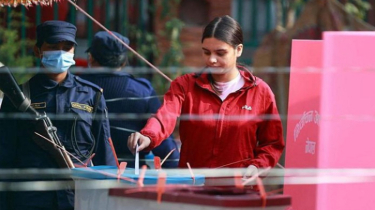
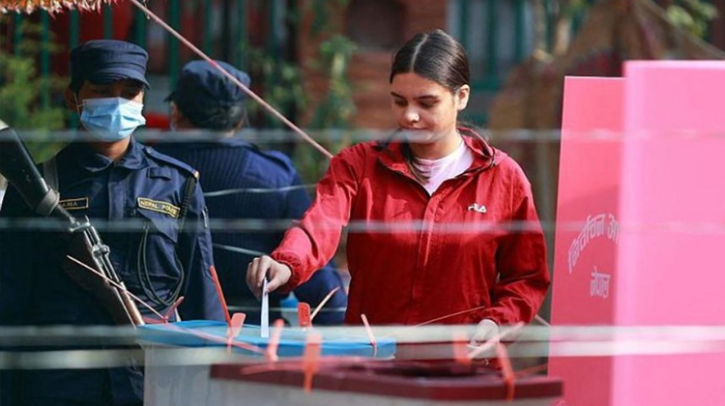
Nepal is holding its general election on March 5, 2026, marking the first nationwide vote since last year’s youth‑led “Gen Z” protests that toppled the government of former Prime Minister K.P. Sharma Oli amid widespread demands for political reform.
Approximately 18.9–19 million eligible voters — from a population of around 30 million — are casting ballots to elect the 275‑member House of Representatives, with 165 seats filled through direct voting and 110 by proportional representation. The election comes after months of political upheaval triggered by massive demonstrations in September 2025, where protests over corruption, unemployment, and governance issues grew into a nationwide uprising, resulting in the resignation of the previous government and significant loss of life.
The polls have drawn heightened attention from young and first‑time voters — including hundreds of thousands of newly registered Gen Z participants — who played a crucial role in reshaping Nepal’s political landscape. The election campaign has been shaped by demands for transparency, economic opportunities, and the end of entrenched political patronage, with many seeing this vote as a chance for generational change.
Major established parties such as the Nepali Congress and the Communist Party of Nepal (UML) are competing alongside newer forces like the Rastriya Swatantra Party, whose prime ministerial candidate is Balendra Shah, a former rapper‑turned‑politician and mayor of Kathmandu.
Security measures, including the deployment of over 300,000 personnel, have been put in place to ensure peaceful voting across more than 23,000 polling stations. Observers say the outcome will be a significant test of Nepal’s democratic resilience and could determine whether the political establishment or the calls for youth‑driven reform will shape the country’s future direction
BD/AN