
Tanker, Container Ships Report Attacks as Iran Re-Closes Strait of Hormuz
Published : 02:48, 19 April 2026
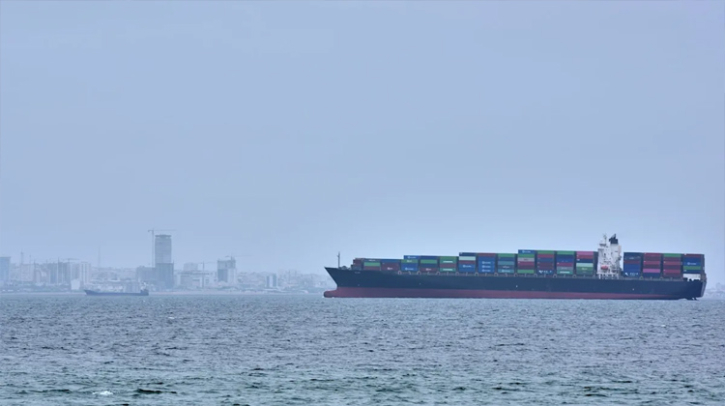
Tensions in the Middle East have escalated sharply after Iran once again closed the strategically vital Strait of Hormuz, with multiple tankers and cargo vessels reporting attacks or coming under fire, according to international maritime and defence sources.
The renewed closure was announced on April 18, as Tehran said it would maintain restrictions until the United States lifts its naval blockade on Iranian ports.
Several vessels navigating the strait reported security incidents, including gunfire from Iranian forces. The United Kingdom Maritime Trade Organisation confirmed that Iranian gunboats fired on at least one tanker near Oman, although no casualties were reported.
Other ships, including oil tankers and container vessels, were forced to reverse course after receiving warnings that the waterway had been closed again.
An Indian-flagged supertanker was among those affected, making a sudden U-turn amid rising tensions and nearby gunfire.
The latest move follows a short-lived easing of restrictions, during which several tankers managed to pass through the strait after weeks of disruption. However, the situation deteriorated quickly, with Iran reimposing strict controls and reportedly firing on vessels attempting transit.
Iran has also indicated that ships may require approval from its Islamic Revolutionary Guard Corps (IRGC) to pass, further complicating navigation in the area.
The crisis is part of a broader confrontation between Iran and the United States following a naval blockade imposed by Washington earlier in April.
Since late February, the Strait of Hormuz—through which roughly 20% of global oil and gas supplies pass—has been at the centre of escalating military and economic tensions.
Iran has repeatedly warned that it would shut the waterway in response to what it calls “maritime aggression,” and has already been linked to multiple attacks on commercial shipping during the ongoing conflict.
The renewed closure has heightened fears of a major disruption to global energy supplies, as Gulf countries including Saudi Arabia, the United Arab Emirates, Iraq and Kuwait rely heavily on the route for exports.
Shipping companies remain on high alert amid concerns over sea mines, armed patrol boats, and unpredictable enforcement measures in the narrow passage.
Diplomatic efforts to de-escalate the crisis are ongoing, but the situation remains highly volatile, with further incidents at sea considered likely in the coming days.
Subject-