
Tk 25,000 Crore Plan Proposed to Ensure Safe Water for 18 Crore Bangladeshis
Published : 15:59, 8 October 2026
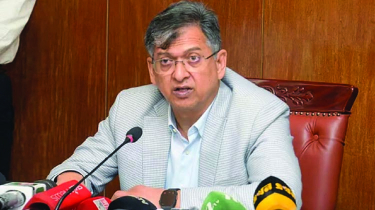
The government is planning an integrated project worth around Tk 25,000 crore to ensure safe and potable water for nearly 180 million people across Bangladesh, Local Government, Rural Development and Cooperatives Minister Dr Abdul Moin Khan has said.
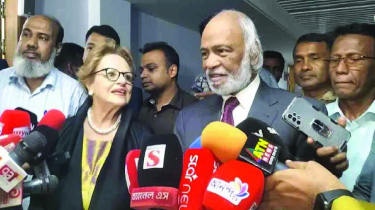
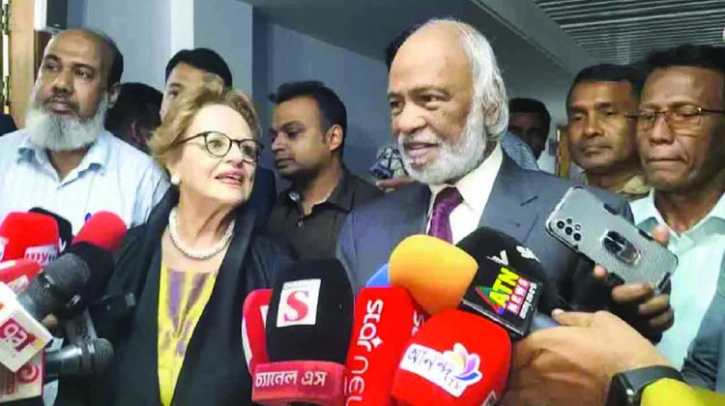
He made the disclosure on Thursday (October 8) after a meeting with a UNICEF delegation at the Secretariat. According to the minister, the proposed initiative could cost around US$2.1 billion and would involve several development partners, including UNICEF, the World Bank and WaterAid.
Dr Abdul Moin Khan said access to water is essential for human life, but contaminated and pathogen-filled water can also pose serious health risks. Ensuring safe water for people across the country, he said, is therefore a major challenge.
Highlighting Bangladesh’s growing water-related challenges, the minister said reduced river flows caused by upstream water withdrawal are contributing to desertification-like conditions in northern districts. At the same time, lower freshwater flows allow saline water from the Bay of Bengal to move further inland, worsening the shortage of potable water in the southern region.
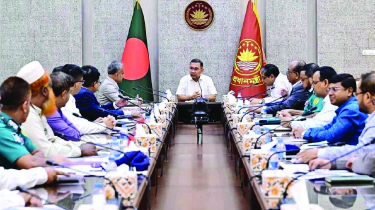
He said the drinking-water crisis has become particularly serious for people living in the coastal and southern areas. The government is therefore working to develop a coordinated, long-term plan with international development partners.
The minister also said Bangladesh has received assistance from bilateral and multilateral donors for many years, but such assistance was not always used properly in the past. He added that foreign development financing is declining as wealthy countries themselves face economic pressures.
Dr Abdul Moin Khan said the government wants to ensure that both domestic resources and development assistance are used more effectively for public welfare, while reducing waste and corruption.