
Iran has reasserted control over the Strait of Hormuz
Published : 17:21, 23 June 2026
Iran has reiterated its intention to maintain oversight of the strategically vital Strait of Hormuz following high-level discussions with the United States in Switzerland aimed at easing tensions in the Middle East.
According to Iranian state media on Tuesday, technical-level negotiations held in Bürgenstock, Switzerland, concluded with an agreement to establish separate working groups focusing on Iran’s nuclear program and sanctions-related issues.
US Vice President J.D. Vance described the talks as a “very good foundation” for a broader agreement that could help reduce regional tensions. He said both sides had made encouraging progress during the negotiations.
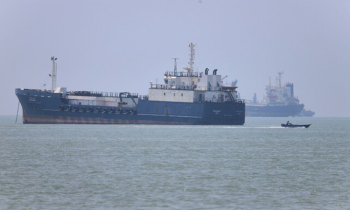
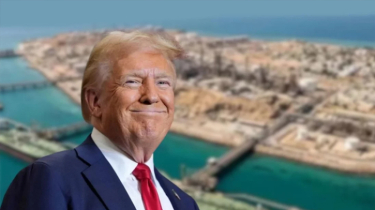
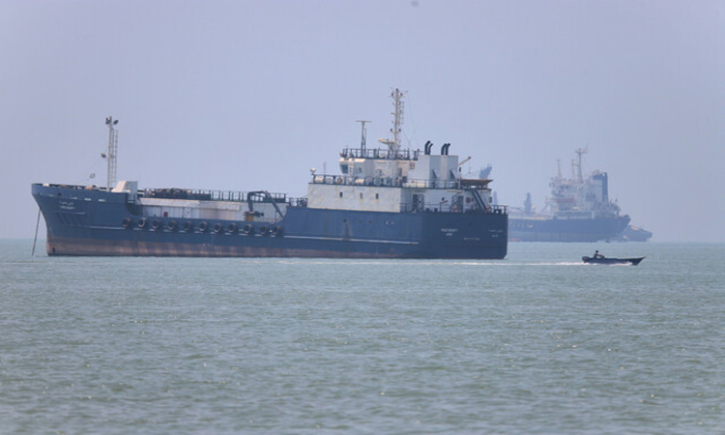
Despite the positive tone, key issues remain unresolved, particularly concerning Iran’s nuclear activities and the future status of the Strait of Hormuz—one of the world’s most important oil shipping routes.
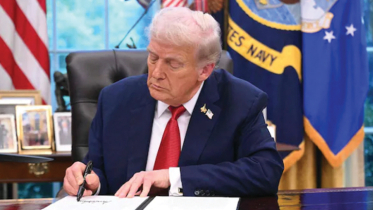
US President Donald Trump has called for unrestricted international access through the waterway. Iran, however, has rejected that demand and reaffirmed its authority over the strait.
Quoting chief negotiator Mohammad Bagher Ghalibaf, Iranian state media reported that the Strait of Hormuz would continue to operate under the supervision of the Islamic Republic and would not return to its previous status.
The negotiations, mediated by Qatar and Pakistan, also resulted in an agreement to establish a communication mechanism aimed at ensuring safe maritime navigation and preventing misunderstandings or incidents in the waterway.
Iranian media further claimed that Washington had agreed to release approximately $12 billion in frozen Iranian assets and temporarily ease certain oil-related sanctions. However, US officials said no Iranian assets have been officially released so far.
The US Treasury Department announced a temporary sanctions waiver allowing Iran to produce, sell, and export crude oil and related products until August 21.
Both sides are now working toward drafting a comprehensive agreement within a renewable 60-day framework, with additional diplomatic and technical discussions expected in the coming weeks.
The possibility of resuming inspections by the International Atomic Energy Agency (IAEA) was also discussed, although Iranian officials stated that no detailed agreement has yet been reached on that matter.
Regional security issues, including tensions between Israel and Hezbollah in Lebanon, were also part of the discussions. Reports indicate that a special conflict-management mechanism may be established to help prevent further escalation.
Observers believe the Switzerland talks have opened a new diplomatic pathway that could contribute to reducing tensions in the Middle East and improving regional stability.