
Indus Waters Treaty Faces New Challenges as India-Pakistan Relations Evolve
Published : 20:51, 5 September 2026
The 66-year-old Indus Waters Treaty between India and Pakistan is facing a new set of challenges amid changing bilateral relations, rising water demand and growing pressure on the region’s water resources.
Signed in 1960 with the mediation of the World Bank, the treaty established the allocation and use of the waters of the Indus river system between the two countries.
Under the agreement, Pakistan received primary rights over the waters of the Indus, Jhelum and Chenab rivers, while India received greater rights over the Ravi, Beas and Sutlej rivers. The treaty also provides specific provisions allowing both countries to use waters of rivers allocated to the other side under defined conditions.
The agreement survived several wars, military tensions and political disputes between India and Pakistan. As a result, it has often been regarded internationally as an important example of long-term cooperation over a shared water system.
However, the treaty has come under renewed pressure in recent years as relations between the two countries have deteriorated.
Following the April 22, 2025 terrorist attack in Pahalgam, Jammu and Kashmir, which killed 26 people, India announced that it would keep the Indus Waters Treaty in abeyance until the security situation improved.
The decision triggered renewed debate over the legal status and future of the decades-old agreement.
On August 31, 2026, an arbitration tribunal constituted under the treaty framework issued a decision following Pakistan’s application concerning the treaty. The tribunal considered the treaty to remain operative and addressed issues related to the dispute-resolution mechanism under the agreement.
India, however, has taken a different position regarding the jurisdiction of the arbitration process. As a result, the future of the treaty is now being discussed not only in terms of water management but also in the broader context of international law and bilateral relations.
The Indus River system is critically important to Pakistan’s agriculture, irrigation, and food security. A substantial part of the country’s agricultural economy depends on the river basin.
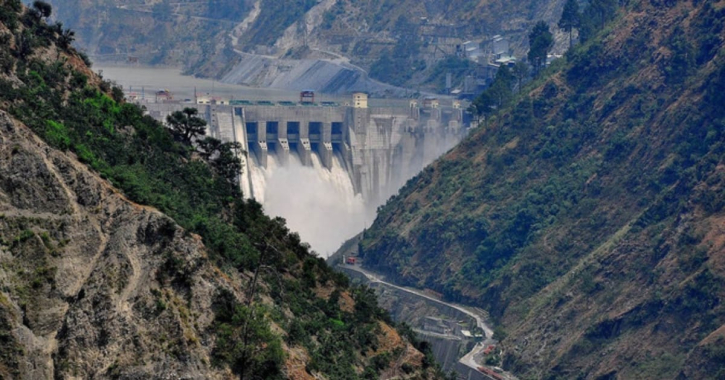
India also uses the waters of the Indus River system for irrigation and hydropower projects. As a result, the management of the rivers has direct implications for the economic and development plans of both countries.
The treaty defines the rights and limitations of both sides regarding the use of the rivers and provides institutional mechanisms for addressing water-related disputes.
However, the situation has changed considerably since the agreement was signed. Population growth and increasing demand for water have placed additional pressure on the river basin.
Climate change, changing rainfall patterns, and shifts in glacier conditions are also creating new challenges for long-term water management across the region.
A fundamental principle of international treaty law is that states are generally expected to comply with their treaty obligations. International law also contains provisions dealing with exceptional circumstances in which treaties may be suspended, modified or otherwise affected.
In the case of the Indus Waters Treaty, the legal framework is therefore only one part of the broader issue. Political understanding between India and Pakistan will also remain important.
Water management is a long-term process involving river flows, irrigation, hydropower projects, agriculture and infrastructure planning. Prolonged uncertainty over the treaty could therefore affect water security and development planning in both countries.
Experts have emphasized the importance of addressing water-related disagreements through dialogue and keeping long-term water management separate from broader political tensions wherever possible.
One of the treaty’s notable features has been its ability to maintain an institutional framework for water cooperation despite periods of serious political tension between India and Pakistan.
The key question now is whether that framework can continue to function effectively under the current circumstances.
The future of the Indus Waters Treaty will not be determined solely by legal or arbitration decisions. Political will, mutual confidence and the broader security environment between India and Pakistan will also play an important role.
Improved bilateral relations could create opportunities for renewed dialogue and practical arrangements concerning water cooperation. There may also be scope for greater cooperation in areas such as technology, data sharing and joint water-resource management.
After 66 years, the Indus Waters Treaty is therefore facing a significant test. It is more than a water-sharing agreement; it also represents a major example of cross-border resource management and regional cooperation in South Asia.
Managing the current challenges will likely require not only a functioning legal framework but also sustained dialogue, mutual confidence and practical cooperation between the two countries.
Subject-