
Trump Rejects Iran’s Seven-Day Hormuz Proposal; Tehran Awaits US Response
Published : 11:43, 27 September 2026
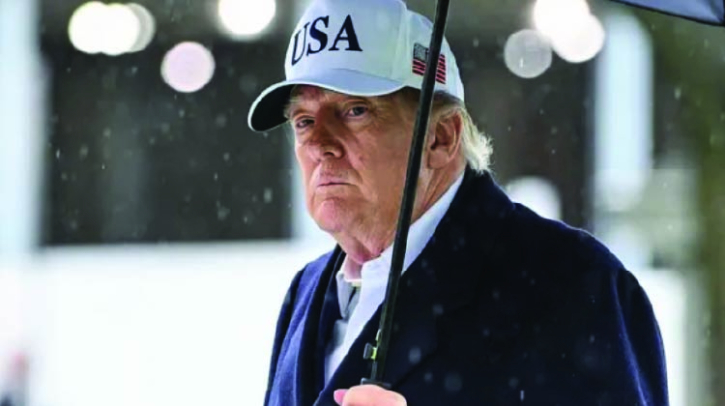
US President Donald Trump has rejected Iran’s proposal to reopen the Strait of Hormuz to commercial shipping within seven days. Tehran, meanwhile, says it is waiting for an official response from Washington through mediators.
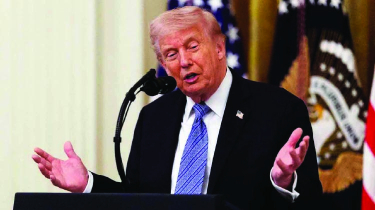
Speaking to reporters outside the White House on September 26, Trump said he had rejected the proposal. He said Iran wanted an immediate agreement to reopen the strait because it was suffering significant losses in the conflict.
Iranian Foreign Minister Abbas Araghchi said Tehran had submitted a seven-day roadmap to the United States through Qatar. He said normal maritime traffic could resume within a week if the necessary conditions were met.
What Does Iran’s Proposal Include?
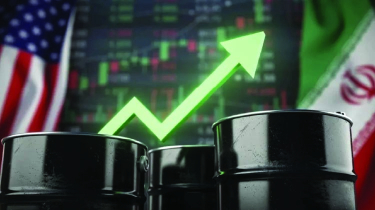
According to international media reports, Iran’s proposal calls for the United States to lift its naval blockade of Iranian ports, ease restrictions on Iranian oil sales and observe a ceasefire covering the wider region, including Lebanon.
In return, Iran would reopen the Strait of Hormuz within seven days and resume negotiations over its nuclear programme.
Araghchi said the timeline would begin once Washington accepted the plan. The initial steps would take four to five days, with the strait expected to reopen on the sixth day. Talks on a final agreement would then begin on the seventh day.
Araghchi Says Tehran Awaits Washington’s Position
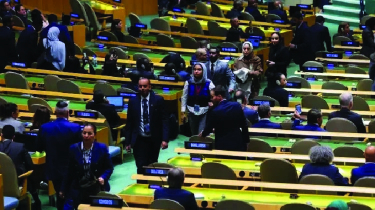
Speaking to reporters in New York during the UN General Assembly, Araghchi said an agreement was possible if the necessary conditions were met. He added that the new proposal was based on issues previously discussed in a June understanding between the United States and Iran.
Commenting on Trump’s statements, Araghchi accused the US president of making contradictory remarks at different times. He said Tehran would wait for the US position through mediators before deciding its next steps.
Oman Calls for Continued Dialogue
Oman, which has been mediating between Washington and Tehran, has called on all sides to continue diplomatic engagement.
Omani Foreign Minister Sayyid Badr bin Hamad Al Busaidi urged relevant parties to cooperate in efforts to ensure safe navigation through the Strait of Hormuz.
Economic Pressure and Sanctions
The Trump administration has continued its economic pressure on Iran. US Treasury Secretary Scott Bessent said restrictions affecting financial and aviation links with Iran had added to the pressure on Tehran.
However, analysts have questioned how effective the measures will be, particularly given the position of Iran’s major trading partners.
China remains one of the principal buyers of Iranian oil. The impact of sanctions will depend in part on how countries enforce restrictions and make decisions about continued trade with Tehran.
Why the Strait Matters
The Strait of Hormuz is one of the world’s most important energy shipping routes. Maritime traffic has been severely disrupted since the conflict began. During peacetime, a significant share of global oil and gas supplies passes through the waterway, making its reopening and the reduction of regional hostilities important to international energy markets.
Subject-