
Vucic Resigns as Serbian President, Sets Sights on Prime Minister’s Office
Published : 11:53, 28 September 2026
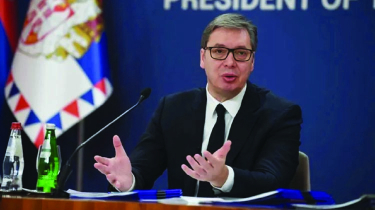
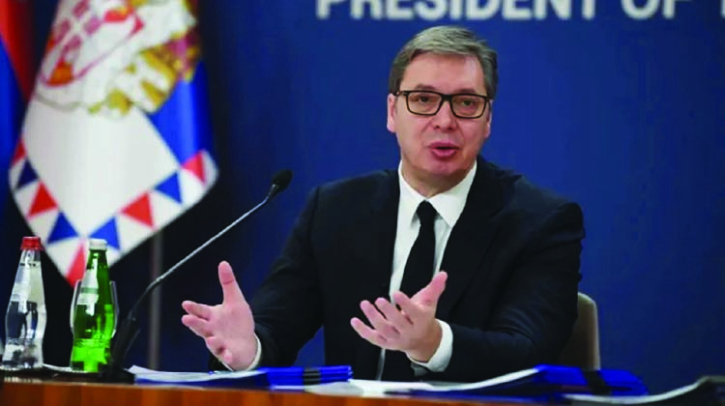
Serbian President Aleksandar Vucic has resigned from office ahead of the country’s snap parliamentary election on October 25, opening the way for him to lead his Serbian Progressive Party (SNS) into the race and potentially seek the post of prime minister.
Vucic formally announced his resignation on Sunday, September 27, reading out a written statement in which he said he was stepping down as president. His resignation ends his second and final five-year term several months earlier than scheduled.
Under Serbia’s constitution, Vucic cannot seek a third presidential term. By leaving office now, he can campaign as the leader of the SNS in the October parliamentary election. If his party succeeds in forming the next government, he could become prime minister.
Brnabic to Serve as Acting President
Following Vucic’s resignation, parliamentary speaker and former prime minister Ana Brnabic is set to assume the role of acting president. A new presidential election is expected to be held by the end of December, according to Serbian government information.
The move comes as Serbia faces sustained political tensions following nearly two years of student-led protests.
Student Movement Challenges the Government
The protests began after a canopy at a railway station in the northern city of Novi Sad collapsed in November 2024, killing 16 people. University students initially demanded accountability over the tragedy and action against corruption. The movement subsequently expanded into a broader political challenge to the government.
A student-backed electoral platform includes professors, teachers, experts, athletes and other figures who are relatively unfamiliar in national politics. Student groups have also travelled across the country as part of a campaign focused on the rule of law and fighting corruption.
Vucic Remains a Central Political Figure
Although Serbia’s prime minister formally holds greater executive authority than the president, Vucic has remained the dominant figure in Serbian politics for more than a decade. He has served as either president or prime minister since 2014.
In recent weeks, Vucic has toured Serbia with extensive coverage on pro-government media, promoting infrastructure projects and measures involving financial assistance and lower medicine prices.
Election Takes Place Amid Sharp Political Dispute
Vucic and the SNS have faced allegations involving corruption, links to organised crime and pressure on democratic freedoms and critical media. The party has denied such accusations and has repeatedly pledged to combat corruption.
Authorities have also been accused of using police violence and detentions against protesters. Vucic, meanwhile, has accused opponents and critical media of seeking to destabilise Serbia through unspecified foreign influence. On Sunday, he told state broadcaster RTS that foreign powers and unidentified people inside the country were planning unrest on election night, without providing evidence for the claim.
The October 25 election will feature Vucic’s SNS and its allies, the student-backed “Students Win” movement, the pro-European opposition alliance “European Serbia” and several smaller parties.