
Bangladesh Refuses to Play T20 World Cup Matches in India, Citing Safety Concerns
Published : 02:22, 5 January 2026
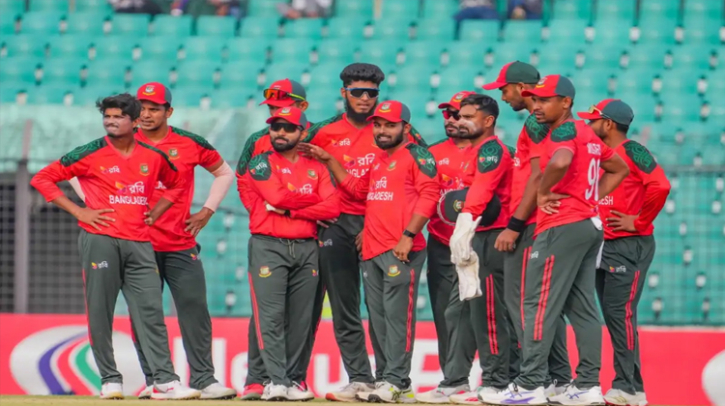
In a dramatic escalation of tensions between Bangladesh and India, the Bangladesh Cricket Board (BCB) has announced that the national team will not travel to India to play its group-stage matches at the 2026 ICC Men’s T20 World Cup, scheduled to begin on February 7.
The decision, rooted in concerns over the safety and security of players and officials, signals a major diplomatic and sporting rift with potential implications for international cricket.
The move came during an emergency BCB board meeting on January 4, following the controversial removal of Bangladesh pacer Mustafizur Rahman from his Indian Premier League (IPL) franchise, the Kolkata Knight Riders (KKR), after instructions from the Board of Control for Cricket in India (BCCI) amid rising political tensions.
BCB officials said this episode heightens fears about how Bangladeshi cricketers might be treated in India, prompting urgent consultations with Bangladesh’s government.
In its official statement, the BCB said it had formally requested the International Cricket Council (ICC) to relocate all of Bangladesh’s scheduled World Cup matches to a neutral venue, proposing Sri Lanka as the preferred alternative host.
The board emphasized that the decision was taken “to safeguard the safety and well-being” of players, team officials, board members, and other stakeholders.
Bangladesh was scheduled to play four group games in India, including fixtures in Kolkata and Mumbai against teams such as West Indies, England, Italy, and Nepal. Under the new request, these matches might be played entirely in Sri Lanka if the ICC accedes to the appeal.
Analysts say the decision reflects how political and diplomatic tensions can spill over into sport, especially in a region where cricket carries immense cultural and emotional weight.
The BCB’s stance highlights deep apprehension within Bangladesh about player security and perceived discrimination following political controversies. It also underscores a broader sense of mistrust that now pervades relations between the two neighbors.
While the BCB insists its request is driven by legitimate security concerns, critics warn that shifting World Cup matches could set a new precedent in global cricket and complicate tournament logistics. The ICC now faces a difficult choice in balancing the integrity of the planned schedule with serious member concerns about player safety.
India’s cricket board, the BCCI, has already dismissed the idea of relocating the matches as “logistically unrealistic,” indicating that New Delhi and Mumbai remain committed to hosting the fixtures as planned. A formal response from the ICC is still awaited.
The standoff joins other recent sporting disruptions between the two countries, including the postponement of Bangladesh’s women’s team tour of India and delays in bilateral fixtures amid political polarization.
Observers say the situation underscores how diplomatic disputes, including reactions to human rights concerns and domestic unrest, are increasingly influencing even high-profile global sporting events.
As the World Cup approaches, the fate of Bangladesh’s matches and the broader implications for international cricket governance remain uncertain. The episode could have enduring effects on how cricket’s global bodies handle geopolitical tensions involving member nations.
Sources: Reuters, Al Jazeera
BD/AN