
T20 World Cup 2026: Pakistan Boycott of India Game Sparks Sanctions Debate as ICC Threatens Action
Published : 01:55, 6 February 2026
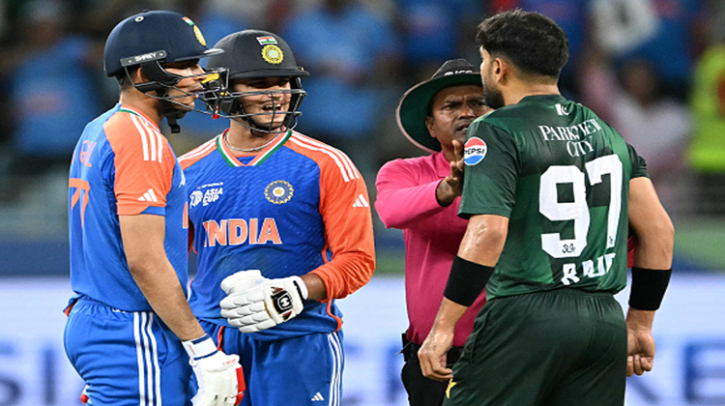
Pakistan’s cricket team has confirmed it will boycott its Group A clash against India in the 2026 ICC Men’s T20 World Cup, a move that has raised serious questions about possible sanctions or penalties from the International Cricket Council (ICC).
The boycott, announced by Pakistan’s federal government, comes after Pakistan voiced support for Bangladesh, which withdrew from the tournament over security concerns about playing in India.
In a highly unusual development, Pakistan’s Prime Minister Shehbaz Sharif reaffirmed that the national side will not play India on February 15, even though it will participate in its other World Cup fixtures. This decision removes one of the tournament’s most commercially and fan-important matches, historically drawing huge global viewership and sponsorship interest.
The ICC has warned that selective participation could harm the integrity of the sport and has indicated that consequences for the Pakistan Cricket Board (PCB) might follow if the boycott goes ahead. Potential outcomes under discussion include financial penalties, disciplinary measures, or contractual repercussions tied to signed participation agreements for the World Cup.
Cricket analysts and legal commentators note that the PCB might attempt to invoke a “force majeure” clause in its defense, arguing that extraordinary and unforeseeable circumstances — including government directives compelled their decision not to play India. This clause could provide a basis to avoid or reduce sanctions if the ICC’s dispute resolution mechanisms are activated.
There are differing views among cricket administrators about the ICC’s ability to impose severe penalties. Some former PCB officials argue that the council may have limited legal authority to punish Pakistan for the boycott, particularly if it can demonstrate a link between government orders and its decision.
Officials from India, including players and cricket administrators, have reacted by emphasizing the importance of keeping politics separate from sport and by reaffirming their intent to travel to Colombo for the match regardless of Pakistan’s stance.
The ongoing situation has intensified debates about how global cricket governance interacts with geopolitical pressures and how far governing bodies can enforce participation in high-value fixtures when national stances affect teams’ decisions on the field.
SOURCES: Reuters, Al Jazeera, NDTV Sports, Hindustan Times, Times of India, Associated Press, Daily Sun
BD/AN