
Democracy, space for dissent shrinking: Nahid
Published : 18:04, 17 August 2026
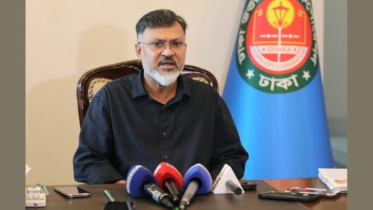
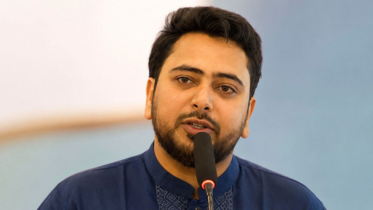
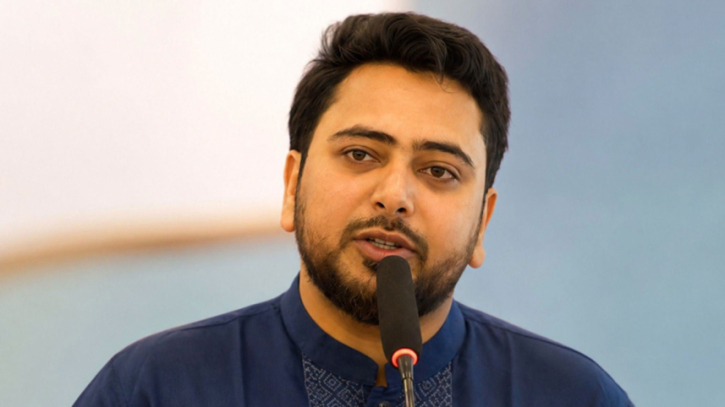
Opposition Chief Whip and National Citizen Party (NCP) Convener Nahid Islam has warned that democratic space in Bangladesh is gradually narrowing, cautioning that attempts to portray peaceful protests as disorder could eventually be used to suppress political dissent.
He made the remarks on Monday at a programme organised by the NCP-affiliated Democratic Journalist Alliance (DJA) in Gulshan, Dhaka.
“We can gradually see that democracy is shrinking and the space for speaking out is narrowing. We all have to prevent that,” Nahid said.
He urged journalists to report facts objectively and called on political parties to play their respective democratic roles.
Referring to recent protests over gas and electricity supplies, Nahid criticised the government for describing such demonstrations as “reckless”. He said street protests are a legitimate form of democratic expression and should not automatically be associated with vandalism.
“Taking to the street and protesting is a legitimate democratic form of movement,” he said.
Nahid argued that in a democratic state, opposition parties should have the right to express their views both inside and outside parliament. He also urged the media to maintain an impartial position.
The NCP convener, who previously served in the information ministry under the interim government, called for the implementation of the recommendations of the Media Reform Commission, including a proposed law aimed at protecting journalists.
He expressed concern over journalists being removed from various media organisations after the current government took office, saying that journalists cannot work independently without adequate protection.
Reflecting on the July Uprising, Nahid credited journalists for playing a significant role during the movement. He said around six journalists were killed and several hundred others were injured, with some still suffering from pellet or gunshot wounds.
He also acknowledged that some sections of the media had acted against the student movement and criticised politically and commercially motivated reporting targeting student leaders.
Referring to recent coverage of NCP leader Hasnat Abdullah, Nahid questioned whether publishing dozens of reports about a politician within 24 to 48 hours following a statement could be considered responsible journalism.
He said political parties may criticise media owners or corporate interests, but such criticism should not result in targeted media coverage against political figures.
Nahid also urged the government to continue initiatives introduced during the interim government to support journalists who were killed or injured during the July Uprising.
“Journalists do not ask for much. They want to perform their professional duties properly. The government or any political force should not become an obstacle to that,” he said.