
Bangladesh, Nigeria Discuss Stronger Cooperation in Pharmaceutical Sector
Published : 10:41, 18 August 2026
Bangladesh and Nigeria have discussed strengthening bilateral cooperation and expanding trade opportunities in the pharmaceutical sector. Representatives of Bangladesh’s Directorate General of Drug Administration (DGDA) and Nigeria’s National Agency for Food and Drug Administration and Control (NAFDAC) joined the virtual meeting on Monday (17 August).
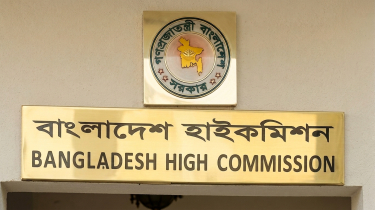
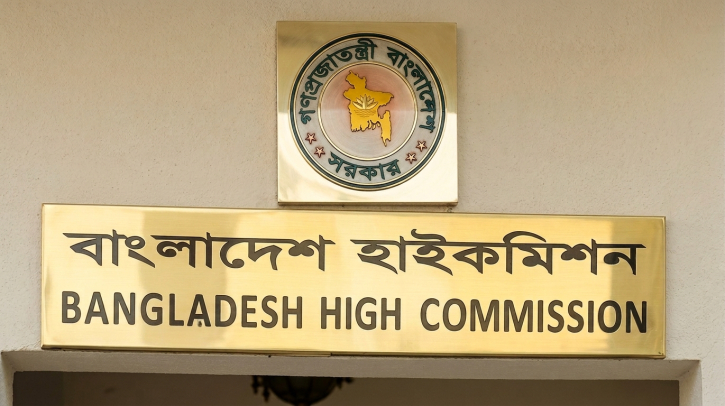
The discussion was organised by the Bangladesh High Commission in Abuja in collaboration with the Ministry of Foreign Affairs. The Bangladesh High Commission described the meeting as an important step towards establishing an effective pharmaceutical industry partnership between the two countries.
Bangladesh’s delegation was led by DGDA Director General and Additional Secretary Md Alomgir Hossain, while the Nigerian delegation was headed by NAFDAC Director General Professor Mojisola Christianah Adeyeye.
The discussions covered opportunities for Bangladeshi pharmaceutical manufacturers to enter the Nigerian market, registration and inspection procedures, technology transfer, vaccines and biologics, fill-and-finish manufacturing, and active pharmaceutical ingredients (API). Nigeria also proposed joint pharmaceutical manufacturing under its ‘5+5’ policy.
Nigeria expressed interest in signing a Memorandum of Understanding (MoU) with Bangladesh to strengthen cooperation in the pharmaceutical sector. Bangladesh highlighted its strong domestic pharmaceutical manufacturing capacity, noting that around 98% of the country’s medicine demand is met through local production, while pharmaceutical products are also exported to international markets.
The two sides agreed to form two technical committees. The committees will identify areas of cooperation under the proposed MoU and make recommendations on API exports, technology transfer, joint manufacturing and technical cooperation.
Bangladesh also proposed conducting a feasibility study on vaccine demand and market opportunities in Nigeria. The Bangladesh High Commission further invited a Nigerian delegation to visit Bangladesh to assess the capabilities of both countries’ pharmaceutical industries and explore opportunities for stronger business-to-business (B2B) cooperation.