
Dream of Making World Cup History Halted: Somali Referee Denied Entry to the United States
Published : 10:44, 9 June 2026
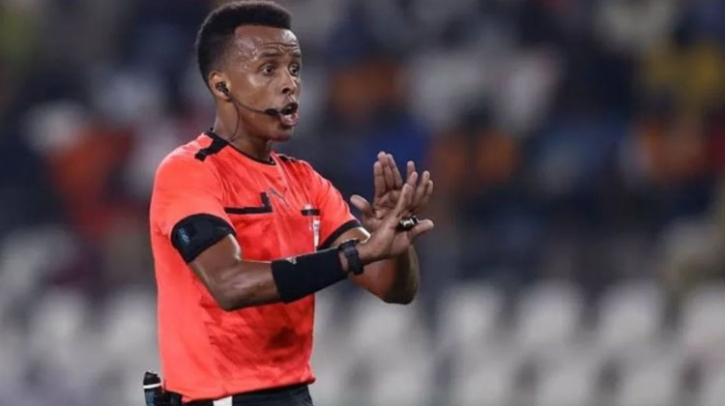
A historic milestone for African football officiating has been thrown into uncertainty after Somali referee Omar Artan was denied entry into the United States, despite being selected to officiate at the 2026 FIFA World Cup.
Artan arrived in South Florida on Saturday to begin his World Cup duties but was turned away by U.S. authorities upon arrival. The development was later confirmed by the U.S. Department of Homeland Security.
In a statement to Al Jazeera, a department spokesperson said Artan was deemed “inadmissible due to vetting concerns” and was therefore not permitted to enter the country. Officials, however, declined to provide further details regarding the decision.
Artan was among the 52 referees selected by FIFA for the 2026 World Cup and was set to become the first Somali referee in history to officiate matches at football’s biggest tournament. His appointment had been celebrated as a landmark achievement for Somali football and for African refereeing.
The incident comes amid ongoing scrutiny of U.S. immigration and travel policies. Somalia remains on a travel restriction list introduced under President Donald Trump’s administration. The issue has drawn renewed attention to the challenges faced by citizens of countries affected by such measures.
Artan is not the only World Cup participant facing visa-related complications. Iran’s national football team has also encountered travel restrictions, with players reportedly required to stay in Mexico between matches despite being allowed to enter the United States for games. Several Iranian team officials have also been unable to obtain U.S. visas.
Meanwhile, New York City Mayor Zohran Mamdani has publicly opposed plans to increase Immigration and Customs Enforcement (ICE) operations during the World Cup. In a social media post, he emphasized the vital role immigrants play in the sport.
“Football would not exist without immigrants,” Mamdani wrote. “They play the game, coach it, maintain the facilities, fill the stadiums, and help make global events like the World Cup possible.”
He added that New York would continue to stand with its immigrant communities and reject efforts that create fear and division during one of the world’s largest sporting celebrations.
Earlier this year, in an interview with Al Jazeera in Mogadishu, Artan described his selection for the World Cup as a proud moment for Somalia, a country that has long struggled with conflict and instability.
“As a referee, you can never give up,” Artan said. “You must always have a goal. This was my goal, and achieving it was not easy.”