
REHAB President Seeks 5% Home Loan Interest Rate in Bangladesh
Published : 14:43, 11 October 2026
Bangladesh’s real estate sector is facing mounting pressure from rising construction material costs, high home loan interest rates and a shortage of flat buyers. The crisis is discouraging new projects, delaying ongoing developments and threatening employment across the construction industry.
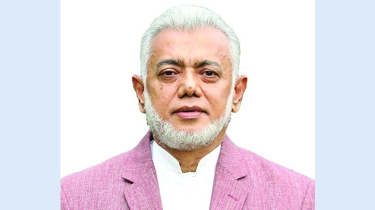
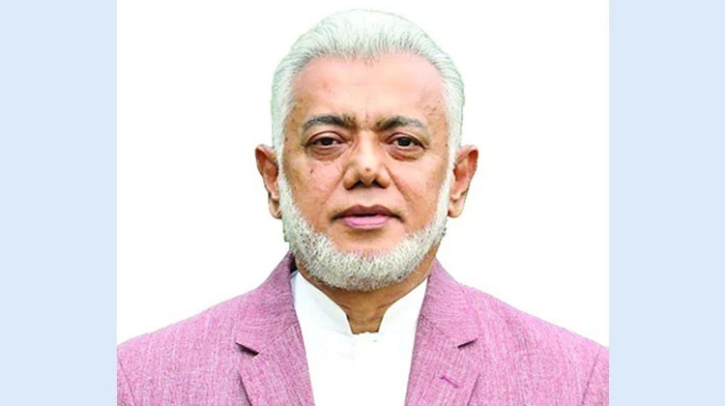
To revive the sector, Real Estate and Housing Association of Bangladesh (REHAB) President Dr Ali Afzal has proposed reducing home loan interest rates for customers to 5%, offering single-digit interest loans to real estate developers, lowering flat registration costs and expanding affordable housing through public-private partnerships.
He warned that without effective policy support, the livelihoods of around five million people associated with the housing sector could face further uncertainty.
Dr Ali Afzal, managing director of Krishibid Group and chairman of Glorious Lands and Developments Limited, said housing should be recognised not only as a business but also as a basic human need and a significant contributor to economic activity and employment.
Rising Construction Costs Squeeze Developers
According to the REHAB president, construction material prices initially rose by around 31% amid the war situation and subsequently increased by another 12%, bringing the overall cost increase to approximately 43%, as he claimed.
However, developers have been unable to raise flat prices proportionately because many buyers signed purchase agreements years earlier. Developers must often deliver flats at previously agreed prices despite higher construction and operating costs.
While larger companies may have some capacity to absorb the additional expenses, small and medium-sized developers are finding it increasingly difficult to sustain operations. Some projects have reportedly stalled, while several companies have reduced their workforce.
High Interest Rates Weaken Housing Demand
Dr Ali Afzal identified declining purchasing power, expensive home loans and economic uncertainty as major factors behind the slowdown in flat sales.
He said demand for housing had not disappeared entirely, but many prospective buyers could no longer afford flats at prevailing market prices. High borrowing costs have made homeownership particularly difficult for middle-income families.
He also pointed to political and economic uncertainty as factors affecting investment decisions. Concerns over repatriating investments and profits have reportedly added to uncertainty among foreign investors.
Around 270 Linked Industries Face Spillover Effects
The housing slowdown is also affecting related industries, including steel rods, cement, ceramics and furniture. According to the REHAB president, approximately 270 industries are connected to the housing sector.
Reduced construction activity can weaken demand for these products, lower sales and production, and make it harder for businesses to service bank loans.
Dr Ali Afzal estimates that around five million people work in Bangladesh’s housing sector. He said employment has been affected by project delays and suspensions, although he did not have a precise figure for the number of jobs lost.
Call to Reduce Flat Registration Costs
The REHAB president said registration expenses, taxes and related fees can account for approximately 11% to 16% of a flat’s price.
He argued that lowering these costs and basing registration on actual market values could make homeownership more affordable. It could also encourage more buyers to complete registration, potentially increasing government revenue.
Digital Approvals and Affordable Housing
Dr Ali Afzal called for the full digitisation of government services related to land and building plan approvals. He said delays and irregularities increase project timelines and construction costs, ultimately placing a greater burden on buyers.
He also proposed reducing long-term home loan interest rates to 5% for customers and providing developers with loans at single-digit rates. Region-based financing arrangements, including lower rates outside major cities, could help ease pressure on Dhaka’s housing market.
Additionally, he advocated public-private partnerships to develop affordable housing on suitable unused government land, while avoiding the indiscriminate use of agricultural land.
Improved road connectivity between Dhaka and surrounding districts could also encourage people to live outside the capital and reduce pressure on urban housing demand.
Coordinated Policy Support Needed
The REHAB president called for effective support for financially distressed developers, including loan rescheduling, interest relief and access to lower-cost financing.
He believes coordinated action by the government, banks and real estate businesses could revive demand, support related industries and protect employment. Lower borrowing costs, affordable registration and more efficient approval processes, he said, would be central to restoring confidence in Bangladesh’s housing market.
Subject-